Craving a quick dinner that bursts with flavor and color? Imagine tender chicken pieces mingling with crisp vegetables in a glossy sauce that clings to every bite—this stir fry is your answer. I’ve whipped up countless versions over the years, but this vegetable chicken stir fry stands out for its perfect balance of savory, sweet, and crunchy elements. It’s the kind of meal that feels indulgent yet comes together in under 30 minutes, making it ideal for busy weeknights or when you want to impress without hours in the kitchen.
Table of Contents
What sets this stir fry apart is the fresh veggies—think vibrant bell peppers, broccoli florets, and julienned carrots—that stay snappy while soaking up a homemade sauce of soy, honey, and ginger. The chicken stays juicy, thanks to a quick marinade, and everything hits the table hot and harmonious. Whether you’re feeding the family or meal-prepping for the week, this dish delivers restaurant-quality results at home.
I’ve fine-tuned this recipe through trial and error, swapping in seasonal produce for variety while keeping the core stir fry magic intact. It’s forgiving for beginners but rewarding for seasoned cooks who love tweaking flavors. Pair it with steamed rice or noodles, and you’ve got a complete meal that’s as nutritious as it is delicious. Ready to dive in and make your own chicken vegetable stir fry masterpiece?
This stir fry shines because it’s endlessly adaptable—use what’s in your fridge for a no-waste win. The ginger and garlic add that irresistible aroma, drawing everyone to the table. Trust me, one bite and you’ll be hooked on this easy, flavorful routine.
Ingredients for Vegetable Chicken Stir Fry
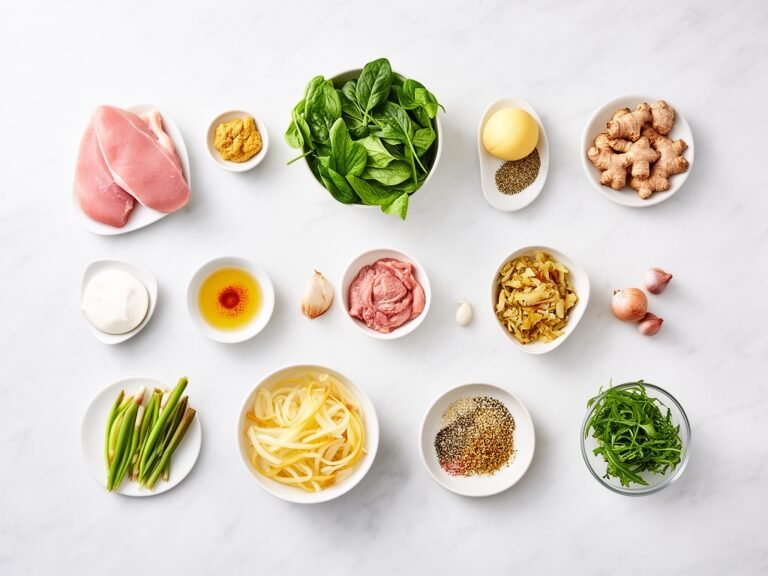
Selecting the right ingredients is key to a standout vegetable chicken stir fry. Fresh, vibrant vegetables ensure crisp textures that contrast beautifully with tender chicken. I opt for boneless chicken breasts or thighs for their juiciness—they absorb the sauce without drying out during the quick high-heat cook. Bell peppers and broccoli provide natural sweetness and earthiness, while carrots add a subtle crunch.
The sauce is the soul of any great stir fry, blending low-sodium soy sauce, honey for balance, and cornstarch for that silky thickness. Ginger and garlic deliver bold aromatics without overpowering. These choices keep flavors harmonious and the dish light yet satisfying. Prepping uniform sizes guarantees even cooking, making your vegetable chicken stir fry a breeze.
For substitutions, swap chicken thighs for breasts if you prefer darker meat, or use tofu for a plant-based twist. Shop for firm broccoli heads and colorful bell peppers—they’re often cheaper in mixed bags. Cashews add nutty crunch; skip if allergies are a concern and double up on sesame seeds instead.
Stir Fry Sauce Ingredients:
– ¼ cup low-sodium chicken broth
– ¼ cup low-sodium soy sauce
– 2 tablespoons honey
– 1 tablespoon rice vinegar
– 1 teaspoon sesame oil
– 1 tablespoon cornstarch
– 1 teaspoon grated fresh ginger
– 2 garlic cloves, minced
Chicken and Vegetables:
– 1 pound boneless skinless chicken breasts or thighs, cut into 1-inch pieces
– 2 tablespoons neutral oil (like avocado or vegetable), divided
– 2 cups broccoli florets, cut into bite-sized pieces
– 1 red bell pepper, sliced into thin strips
– 1 yellow bell pepper, sliced into thin strips
– 1 large carrot, julienned or thinly sliced
– ½ cup sliced mushrooms (button or chestnut)
– ½ small onion, thinly sliced
– ½ cup cashews (optional, for crunch)
– 2 green onions, sliced for garnish
– Sesame seeds for garnish
– Salt and black pepper to taste
Shopping tip: Look for pre-sliced veggies in the produce aisle to save time, but fresh-cut tastes best. Low-sodium soy prevents over-saltiness—always taste as you go.
Equipment Needed
A reliable wok or large skillet is essential for this stir fry, as its high sides prevent ingredients from flying out during vigorous tossing. Non-stick surfaces make cleanup easy, while a sharp knife ensures quick, even prep. These tools help achieve that perfect sear without steaming the veggies.
You’ll also need a small bowl for mixing the sauce—whisking ensures smoothness—and a wooden spoon or spatula for stirring without scratching. A cutting board and measuring tools keep everything precise.
– Large wok or 12-inch skillet
– Sharp chef’s knife
– Cutting board
– Small mixing bowl and whisk
– Wooden spoon or silicone spatula
– Measuring cups and spoons
Prep Time & Cook Time
Prep Time: 15 minutes
Cook Time: 15 minutes
Total Time: 30 minutes
Servings: 4
Difficulty: Easy
Timing is everything in a vegetable chicken stir fry—chop veggies first to keep momentum. Prep sauce while chicken marinates briefly for max flavor infusion. This keeps your stir fry under 30 minutes, perfect for weeknights. High heat is key; don’t overcrowd the pan to avoid sogginess.
Step-by-Step Chicken Vegetable Stir Fry Instructions
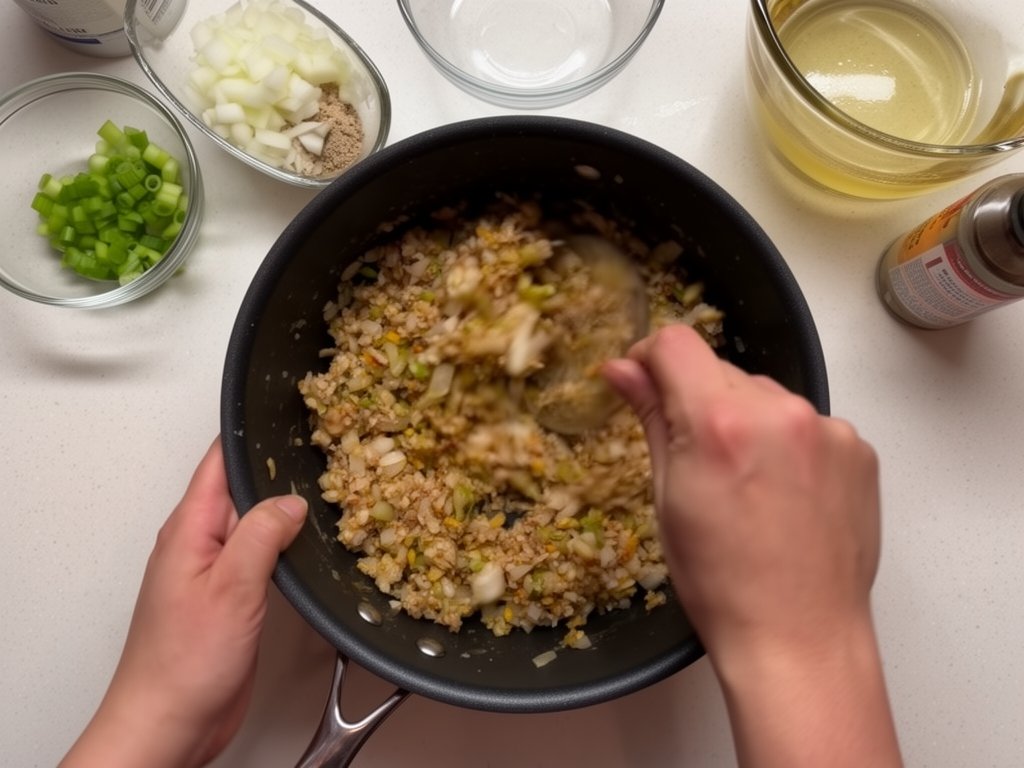
Mastering a chicken vegetable stir fry starts with mise en place—everything prepped and ready. This ensures seamless flow as high heat demands quick action. We’ll cook chicken first, then veggies, reuniting with sauce for glossy perfection. Patience with heat yields crisp results.
Use medium-high heat for that wok hei (breath of the wok) flavor. Stir constantly but gently to preserve textures. This method guarantees your stir fry is restaurant-worthy every time.
1. Prep the chicken: Pat 1 pound chicken dry with paper towels, then season with ½ teaspoon salt and ¼ teaspoon black pepper. Cutting into uniform 1-inch pieces ensures even cooking—about 3-4 minutes per side later. This step prevents steaming and promotes browning for deeper flavor in your stir fry.
2. Make the sauce: In a small bowl, whisk together ¼ cup chicken broth, ¼ cup soy sauce, 2 tablespoons honey, 1 tablespoon rice vinegar, 1 teaspoon sesame oil, 1 tablespoon cornstarch, 1 teaspoon grated ginger, and 2 minced garlic cloves. Set aside. Whisking dissolves cornstarch fully, preventing lumps when added to the hot pan of your vegetable chicken stir fry.
3. Heat the wok: Place wok or skillet over medium-high heat. Add 1 tablespoon oil and swirl to coat. Wait 1 minute until shimmering—test by flicking water; it should sizzle. Hot oil sears chicken beautifully without sticking.
4. Cook the chicken: Add chicken in a single layer. Cook undisturbed 2-3 minutes until golden, then stir for 2 more minutes until cooked through (165°F internal). Remove to a plate. This builds fond for sauce flavor; overcrowding steams instead of fries.
5. Add more oil: Drizzle remaining 1 tablespoon oil into hot wok. It should smoke lightly for authentic stir fry char. Quick heat preserves veggie crunch in chicken vegetable stir fry.
6. Stir-fry broccoli and carrots: Add broccoli and carrots first—they take longest. Toss 2-3 minutes until bright and crisp-tender. Frequent stirring (every 20 seconds) ensures even cooking without mushiness.
7. Add peppers, mushrooms, and onion: Toss in bell peppers, mushrooms, and onion. Stir-fry 2 minutes more. Veggies should retain bite—al dente is ideal for balancing the tender chicken in your stir fry.
8. Return chicken: Slide chicken back into wok with veggies. Stir 1 minute to warm through and mingle flavors. This reheats without overcooking.
9. Pour in sauce: Give sauce a quick whisk, then pour over everything. Stir continuously 1-2 minutes as it bubbles and thickens, coating every piece. Sauce clings perfectly now.
10. Add cashews and finish: Stir in ½ cup cashews for crunch, cook 30 seconds. Remove from heat, garnish with green onions and sesame seeds. Let rest 1 minute—flavors bloom. Your vegetable chicken stir fry is ready!
11. Taste and adjust: Sample a bite; add more honey for sweetness or soy for salt if needed. This final tweak personalizes your chicken vegetable stir fry.
12. Serve immediately: Divide into bowls with rice. Hot serving keeps sauce glossy and veggies crisp.
Nutritional Information
This vegetable chicken stir fry packs lean protein from chicken alongside fiber-rich veggies, making it a balanced meal. Broccoli and peppers deliver vitamins C and K for immunity and bone health, while carrots boost eye-friendly beta-carotene. The modest honey keeps sugars low.
Per serving, you’ll get about 25g protein supporting muscle repair, plus healthy fats from sesame oil and cashews. Low-sodium choices control salt, and cornstarch adds negligible carbs. It’s naturally filling yet light at around 350 calories.
Antioxidants from colorful produce fight inflammation, and ginger aids digestion. This stir fry nourishes without heaviness—ideal for active lifestyles.
Estimated Values Per Serving (1/4 recipe, without rice):
– Calories: 350
– Protein: 28g
– Carbohydrates: 22g (5g fiber, 12g sugars)
– Fat: 16g (3g saturated)
– Sodium: 650mg
– Vitamin C: 120% DV
– Iron: 15% DV
Serving Suggestions & Variations
Serve your stir fry over fluffy jasmine rice to soak up the sauce, or try brown rice for extra fiber. A side of cucumber salad adds refreshing crunch, cooling the savory heat. For summer, grill chicken first outdoors for smoky notes.
Seasonal twists shine: swap broccoli for snap peas in spring, zucchini in summer. Winter calls for cauliflower or bok choy. These keep your vegetable chicken stir fry fresh year-round.
Alternative methods include air-frying chicken at 400°F for 8 minutes before tossing with sautéed veggies—crispier with less oil. Or bake at 425°F for 15 minutes on a sheet pan for hands-off ease.
Ingredient swaps like shrimp for chicken or quinoa for rice open possibilities. Add pineapple chunks for sweet-tangy chicken vegetable stir fry vibes. Always maintain high heat for best texture.
Expert Tips & Tricks for the Perfect Stir Fry
Elevate your vegetable chicken stir fry with these pro moves—high heat and prep are non-negotiable. Marinade chicken 15 minutes in soy-ginger mix for tenderness without sogginess.
1. Uniform cuts matter: Slice chicken and veggies same size for even cooking. Spend 10 minutes prepping—this prevents raw centers or mushy edges in your stir fry.
2. Dry everything: Pat chicken and veggies dry before cooking. Moisture steams instead of sears, ruining crispness. Paper towels are your best friend.
3. Sauce timing: Whisk sauce just before adding; cornstarch settles. Pour when everything’s hot for instant glossy coat on vegetable chicken stir fry.
4. Don’t overcrowd: Cook in batches if needed. Overloading drops temperature, leading to boiled stir fry. Patience yields wok hei magic.
5. Fresh ginger over powder: Grate fresh for zing—1 teaspoon equals big flavor punch without bitterness. Store in freezer for easy use.
6. Oil choice: Avocado oil’s high smoke point (520°F) handles heat best. No smoking means no burnt flavors in your chicken vegetable stir fry.
7. Rest the wok: After cooking, let it cool slightly before washing. Hot water on cornstarch sauce turns it gluey—use warm soapy water instead.
8. Boost umami: Splash sesame oil at end, not start—preserves nutty aroma. A pinch of white pepper adds subtle heat.
9. Veggie order: Hardy ones like carrots first, delicate peppers last. This sequence keeps all crisp in stir fry perfection.
Common Mistakes to Avoid
Overcrowding the pan steams veggies, making your stir fry soggy. Solution: Cook in batches, maintaining high heat for sear. Use a large wok next time.
Skipping the sauce whisk leads to lumps from cornstarch. Always stir vigorously off-heat first, then add to pan. Taste-test for seasoning balance.
Using cold oil fails to sear chicken properly. Heat until shimmering, then add—look for wisps of smoke. This locks in juices for tender vegetable chicken stir fry.
Cutting uneven pieces causes inconsistent doneness. Aim for 1-inch uniformity; use a ruler if needed. Practice makes perfect.
Low heat prolongs cooking, toughening chicken. Crank to medium-high and stir fast—total under 15 minutes keeps it juicy.
Ignoring food safety with chicken. Cook to 165°F; use thermometer. Rest on plate away from raw juices.
Over-saucing drowns flavors. Start with less, add more if needed. Glossy coat, not soup, defines great stir fry.
Forgetting to garnish dulls presentation. Green onions and sesame elevate taste and look instantly.
Storage & Reheating Instructions
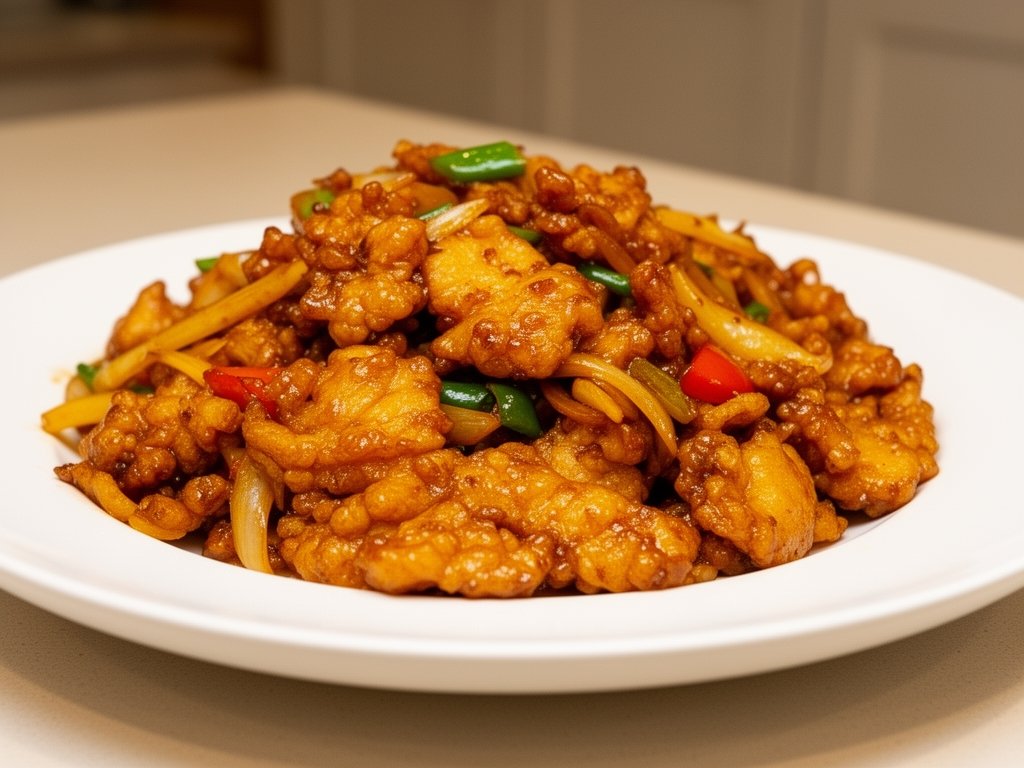
Store leftover vegetable chicken stir fry in airtight containers in the fridge up to 4 days. Cool completely first to avoid condensation sogginess. Portion into singles for grab-and-go ease.
Freezer bags work for up to 2 months—flatten for space. Label with date; thaw overnight in fridge before reheating to preserve textures.
Reheat in skillet over medium heat with splash of water or broth, stirring 3-4 minutes until hot. This revives crispness better than microwave.
Microwave option: Cover loosely, heat 1-2 minutes per serving on high, stirring midway. Avoid overcooking to keep chicken vegetable stir fry vibrant.
Food safety first: Reheat to 165°F. Discard if smells off or held over 4 days. These tips keep your stir fry tasting fresh-made.
Conclusion
This vegetable chicken stir fry is a game-changer—quick, flavorful, and versatile for any night. With juicy chicken, crisp veggies, and that addictive sauce, it satisfies cravings effortlessly. You’ve got the steps to nail it every time.
Try it tonight and tweak to your taste; it’s forgiving and fun. Share your twists in comments—I’d love to hear! Whip up this chicken vegetable stir fry and elevate your dinners.
FAQs
Can I make this stir fry ahead of time?
Yes, prep veggies and sauce up to 24 hours ahead, storing separately in fridge. Cook chicken fresh for best texture. Assemble and stir-fry when ready—saves 10 minutes. Your vegetable chicken stir fry stays crisp this way.
What if I don’t have broccoli?
Substitute snow peas, green beans, or cauliflower florets—same quantity. They mimic the crunch in chicken vegetable stir fry. Blanch tougher ones briefly first for tenderness without mush.
Is this recipe spicy? How to adjust?
Naturally mild, but add chili flakes or sriracha to sauce for heat. Start with ½ teaspoon. Taste before cooking; perfect for customizing your stir fry.
Can I use frozen vegetables?
Absolutely—thaw and drain well to avoid wateriness. Stir-fry same way; they work great in vegetable chicken stir fry for convenience. Add 1 extra minute cook time.
How do I scale for more servings?
Double ingredients for 8; use two skillets or bigger wok to avoid crowding. Sauce scales perfectly. Family-sized stir fry done easily.
What’s the best oil for stir fry?
Neutral high-smoke-point oils like avocado or grapeseed shine. They handle heat without burning, keeping flavors pure in chicken vegetable stir fry.
Can I make it without soy sauce?
Use coconut aminos or tamari—same amount. They deliver umami for gluten-free stir fry wins. Adjust salt slightly.
How long does it last in the freezer?
Up to 2 months tightly sealed. Thaw in fridge, reheat gently. Texture holds well for meal prep vegetable chicken stir fry.
What sides pair with chicken vegetable stir fry?
Steamed rice, quinoa, or cauliflower rice absorb sauce beautifully. Add egg rolls or spring rolls for fun. Endless options!
Why is my sauce not thickening?
Cornstarch needs full boil—cook 1-2 minutes stirring. If thin, mix ½ teaspoon more with water, add in. Fixes most stir fry woes.