Imagine waking up to the aroma of a hearty, golden breakfast casserole baking in the oven, ready to feed a crowd with minimal effort. That’s the magic of this dish—it’s my go-to for lazy weekend brunches or busy holiday mornings when I want something comforting without the fuss. Picture fluffy eggs mingled with tender vegetables, savory chicken sausage, and melted cheese, all layered in one pan for the ultimate cozy start to the day.
Table of Contents
What sets this breakfast casserole apart is its versatility and crowd-pleasing appeal. It’s packed with fresh bell peppers, onions, and hash browns that soak up every bit of flavor, creating a satisfying bite every time. Whether you’re hosting family or prepping for the week ahead, this recipe comes together in under an hour of active time, making it perfect for beginners or seasoned cooks alike.
I’ve tweaked classic versions over the years, swapping in chicken sausage for a lighter touch while keeping that indulgent feel. The result? A make-ahead wonder that reheats beautifully, ensuring no one misses out on breakfast. If you’re tired of the same old scrambled eggs, this egg breakfast casserole will become your new favorite, delivering restaurant-quality results right from your kitchen.
One bite, and you’ll understand why it’s a staple in my home. The creamy egg base custards around crisp veggies and potatoes, topped with gooey cheddar that bubbles to perfection. It’s not just food; it’s a warm hug on a plate, ideal for potlucks, sleepovers, or those rushed school mornings. Dive in, and let’s make mornings memorable together.
Ingredients for Breakfast Casserole
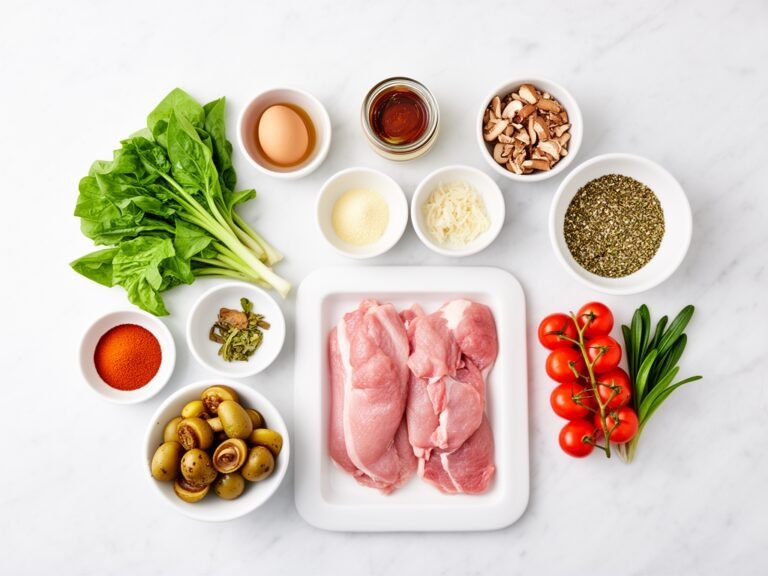
Choosing the right ingredients is key to a standout breakfast casserole. I opt for fresh, vibrant bell peppers and onions because they add natural sweetness and crunch without overpowering the dish. Frozen hash browns save time while providing that starchy base to absorb the eggs, ensuring every slice holds together beautifully.
Chicken sausage brings savory depth without excess grease, pairing perfectly with sharp cheddar for a melty contrast. Eggs and milk create the fluffy custard, while chives offer a fresh, herby pop. These elements balance textures and flavors, making this casserole hearty yet light—ideal for any gathering.
For the base:
– 2 tablespoons extra virgin olive oil
– 1 pound ground chicken sausage (or diced cooked chicken breast)
– 1/2 small yellow onion, diced
– 1 red bell pepper, seeded and diced
– 1 green bell pepper, seeded and diced (optional for extra color)
– 1 (30-ounce) bag frozen diced hash brown potatoes, thawed and patted dry
For the egg mixture:
– 12 large eggs
– 1/2 cup whole milk
– 1 cup sour cream (for creaminess)
– 1 teaspoon kosher salt
– 1/2 teaspoon ground black pepper
– 1/2 teaspoon garlic powder
– 1/2 teaspoon paprika (smoked for depth)
Cheese and toppings:
– 2 cups shredded sharp cheddar cheese, divided
– 3 tablespoons sliced fresh chives, divided
Substitution notes: Swap chicken sausage for ground turkey or crumbled cooked beef for variety. Use dairy-free milk and cheese if needed, though full-fat versions yield the best texture. For milder flavor, choose Monterey Jack over cheddar. Shopping tip: Buy pre-shredded hash browns to avoid grating, and select firm bell peppers for maximum freshness.
Equipment Needed
A few essential tools make assembling this breakfast casserole foolproof. A large skillet is crucial for browning sausage and sautéing veggies evenly, preventing sogginess. A 9×13-inch baking dish ensures uniform cooking, while a whisk blends the eggs smoothly for that perfect custard consistency.
Don’t overlook mixing bowls—they allow you to prep components separately, keeping flavors distinct. Foil for covering during baking traps steam for moist results, and an oven mitt protects your hands from the hot pan.
Required tools:
– Large skillet (10-12 inch)
– 9×13-inch baking dish (glass or metal)
– Large mixing bowl
– Whisk or electric mixer
– Wooden spoon or spatula
– Measuring cups and spoons
– Aluminum foil
– Sharp knife and cutting board
– Oven mitts
Prep Time & Cook Time
Prep Time: 20 minutes
Cook Time: 45 minutes
Total Time: 1 hour 5 minutes (plus optional overnight chill)
Servings: 12
Difficulty: Easy
Timing is everything for a flawless breakfast casserole. Start prepping veggies while the oven preheats to 350°F, and multitask by thawing hash browns overnight in the fridge. This keeps active time short, allowing the flavors to meld if made ahead—perfect for stress-free mornings.
Step-by-Step Instructions for Egg Breakfast Casserole
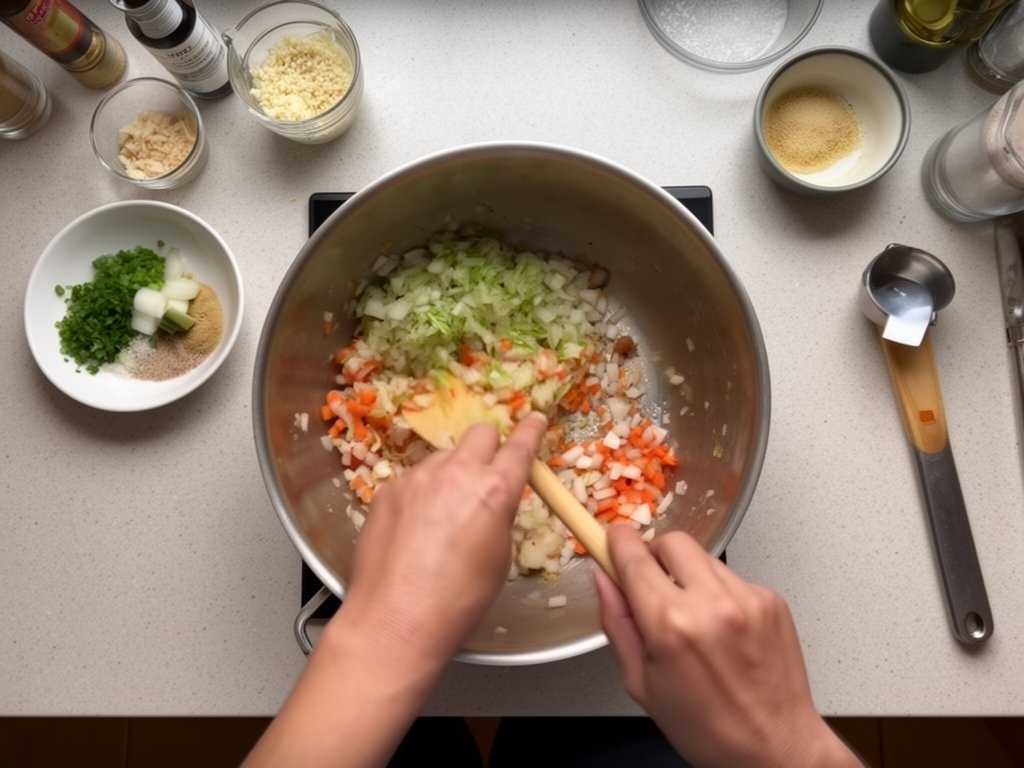
Mastering an egg breakfast casserole starts with organization: mise en place ensures smooth sailing. Preheat your oven early, and read through steps to avoid surprises. This method layers flavors methodically, from savory sauté to custardy bake, yielding a dish that’s crisp on top and tender inside.
Follow these detailed steps for restaurant-worthy results every time.
1. Preheat oven to 350°F and lightly grease a 9×13-inch baking dish with olive oil or cooking spray. This prevents sticking and promotes even browning. Gather all ingredients to streamline the process—thaw hash browns fully to avoid excess moisture that could make the casserole watery.
2. Heat 2 tablespoons olive oil in a large skillet over medium heat. Add 1 pound ground chicken sausage, breaking it up with a wooden spoon. Cook for 5-7 minutes until browned and cooked through, stirring occasionally. The sausage releases flavorful juices that infuse the whole dish—drain excess fat if needed for a lighter result.
3. To the same skillet, add diced yellow onion and red bell pepper (plus green if using). Sauté for 4-5 minutes until softened and fragrant, about medium tenderness. Season lightly with a pinch of salt—this draws out moisture and builds depth. Scrape up any browned bits from the pan for extra savoriness.
4. Remove skillet from heat and transfer sausage-veggie mixture to a large mixing bowl. Add the thawed hash brown potatoes, 1 cup shredded cheddar cheese, and 1 tablespoon sliced chives. Gently toss to combine evenly. This step ensures potatoes absorb seasonings, creating a cohesive base for your breakfast casserole.
5. In a separate bowl, crack 12 large eggs and whisk vigorously for 1 minute until frothy. Add 1/2 cup milk, 1 cup sour cream, salt, pepper, garlic powder, and paprika. Whisk until smooth and creamy—no lumps remain. Taste and adjust seasoning; this egg mixture is the custard’s heart.
6. Pour the egg mixture over the sausage-potato blend in the large bowl. Fold gently with a spatula just until combined—overmixing deflates the eggs. Let sit for 2 minutes so potatoes soak up liquid, mimicking a strata for better texture in the final bake.
7. Spread the mixture evenly into the prepared baking dish using the spatula. Press down lightly for uniform depth. Sprinkle remaining 1 cup cheddar cheese over the top—this creates a bubbly, golden crust that’s irresistible.
8. Cover tightly with aluminum foil, crimping edges to seal. Bake for 35 minutes at 350°F. The foil steams the interior, setting the eggs gently without drying out the edges. Rotate the dish halfway if your oven heats unevenly.
9. Remove foil and bake uncovered for another 10-15 minutes, until the center is just set (slight jiggle is okay—it firms as it cools) and top is golden. Broil for 1-2 minutes if you want extra crispiness, watching closely to avoid burning.
10. Let the breakfast casserole rest for 10 minutes on a wire rack. This allows juices to redistribute, making slices clean and easy to serve. Garnish with remaining chives and fresh black pepper for a pop of color and flavor.
11. Slice into 12 squares and serve warm. For make-ahead, assemble through step 7, cover, and refrigerate overnight—bake straight from cold, adding 10 minutes to cook time.
12. Enjoy your hearty egg breakfast casserole, perfect for any occasion!
Nutritional Information
This breakfast casserole delivers balanced nutrition in every serving, thanks to protein-rich eggs and chicken sausage that keep you full for hours. Eggs provide high-quality protein and essential amino acids, while veggies like bell peppers boost vitamin C for immune support—making it a smart start to the day.
Hash browns offer complex carbs for sustained energy, and cheddar adds calcium for bone health. Sour cream and milk contribute healthy fats that aid nutrient absorption, creating a meal with about 25g protein per slice. It’s wholesome without skimping on taste.
The fiber from onions and peppers promotes digestion, and spices like paprika provide antioxidants. Compared to takeout breakfasts, this version cuts sodium while maximizing vitamins A and K from colorful produce.
Per serving (1/12th of casserole):
Calories: 350
Protein: 25g
Carbs: 18g
Fat: 22g
Fiber: 2g
Sugar: 3g
Sodium: 650mg
Serving Suggestions & Variations
Pair your breakfast casserole with a simple green salad tossed in vinaigrette for a fresh contrast that lightens the plate. Fresh fruit like berries or sliced melon adds natural sweetness, balancing the savory eggs and cheese beautifully.
For brunch, serve alongside crusty artisan bread and yogurt parfaits. In fall, incorporate roasted sweet potatoes into the mix for seasonal warmth, or swap peppers for diced zucchini in summer for a lighter vibe.
Try baking in muffin tins for grab-and-go portions—perfect for meal prep. Vary with ground lamb for a richer twist or fish like smoked salmon flakes for an elegant brunch upgrade.
Experiment with dairy-free swaps like almond milk, or add spinach for extra greens. These tweaks keep the egg breakfast casserole exciting year-round.
Expert Tips & Tricks for the Perfect Breakfast Casserole
Elevate your game with these pro insights for a flawless breakfast casserole every time. Focus on fresh ingredients and precise timing to unlock restaurant-level results that wow guests.
1. Pat hash browns dry thoroughly before mixing—excess moisture leads to a soggy base. Use paper towels to squeeze out water after thawing; this simple step ensures crisp edges and firm texture throughout your casserole.
2. Brown sausage well for flavor depth. Don’t rush—medium heat caramelizes the meat, infusing oils that coat veggies perfectly. If using pre-cooked chicken, sauté briefly to warm and crisp it up, enhancing the overall savoriness.
3. Whisk eggs aggressively. Incorporate air for fluffiness; an immersion blender takes it further for ultra-creamy custard. Rest the mixture 5 minutes post-whisk to let starches hydrate, mimicking overnight strata magic.
4. Layer cheese strategically. Half in the mix melts internally for gooey bites, while the top layer crisps under the broiler. Sharp cheddar cuts through richness—experiment with gouda for smokiness in your next batch.
5. Chill overnight if possible. Flavors marry beautifully, and cold starts yield even baking. Bring to room temp 20 minutes before oven time to avoid cracking the custard surface.
6. Test doneness with a knife. Insert in center—if it pulls out clean with moist crumbs, it’s perfect. Overbaking dries it out; residual heat finishes the job during rest.
7. Boost veggies freely. Spinach wilts in seamlessly (2 cups max), or try mushrooms for umami. Sauté first to reduce water, keeping your breakfast casserole sliceable and sturdy.
8. Season in layers. Salt veggies during sauté, then the egg mix—prevents bland spots. Fresh herbs like rosemary elevate; add post-bake to preserve vibrancy.
9. Foil tent loosely at end. If edges brown too fast, tent to shield while center sets. This pro move guarantees uniform golden perfection across the entire pan.
10. Rest is non-negotiable. 10 full minutes lets proteins set, yielding clean cuts. Serve family-style for that inviting brunch vibe everyone loves.
Common Mistakes to Avoid
Overmixing the egg mixture deflates air bubbles, resulting in dense texture instead of fluffy casserole. Solution: Fold gently until just combined, and whisk eggs separately first for volume. Practice with a light hand for tender results every time.
Using wet hash browns straight from frozen creates steam pockets, leading to watery slices. Always thaw and dry thoroughly with towels—squeeze firmly. This keeps your breakfast casserole firm and flavorful.
Skipping the rest period post-bake causes runny centers and messy serving. Allow 10 minutes for carryover cooking and juice settling. Patience here transforms good into great.
Undercooking sausage leaves chewy bits and food safety risks. Cook to 165°F internal temp, stirring often. Use a thermometer for confidence, ensuring juicy, safe perfection.
Crowding the skillet steams veggies instead of sautéing them crisp. Work in batches if needed, or use two pans. Proper browning builds foundational flavor.
Ignoring oven hotspots leads to uneven doneness. Rotate the dish midway and check center early. Adjust racks for your oven’s quirks.
Forgetting to grease the dish results in stubborn sticking. Use ample oil or spray, especially corners. Line with parchment for zero-stress release.
Overloading cheese can make it greasy. Measure precisely and distribute evenly. Balance keeps the dish light yet indulgent.
Storage & Reheating Instructions
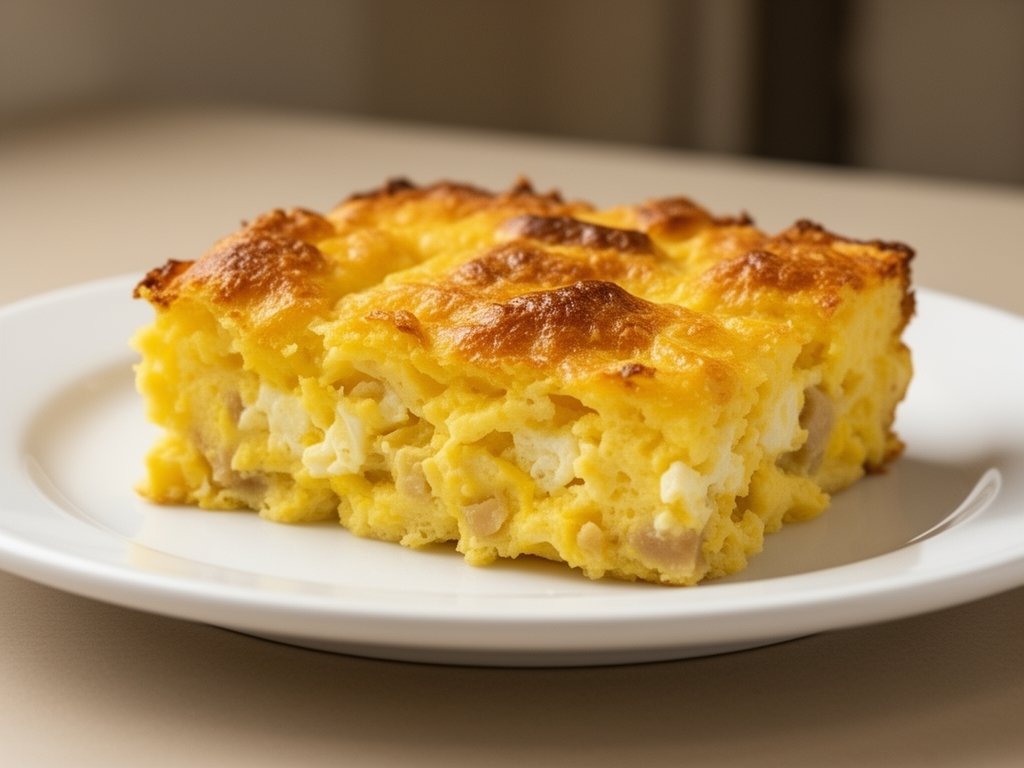
Store leftover breakfast casserole in an airtight container in the fridge for up to 4 days. Cool completely first to prevent condensation, which breeds bacteria. Slice into portions for easy grab-and-go.
For freezing, wrap individual slices in plastic then foil, or use freezer bags—lasts 2-3 months. Thaw overnight in fridge before reheating to maintain texture.
Reheat in a 350°F oven for 15-20 minutes, covered, until hot (165°F internal). Microwave single servings on medium power in 30-second bursts, tented with a damp towel to steam gently.
Food safety first: Discard if it smells off or looks discolored. These steps keep your casserole fresh and safe.
Conclusion
This breakfast casserole is a game-changer for effortless, delicious mornings that bring everyone together. With its fluffy eggs, savory layers, and make-ahead ease, it’s worth every minute in the kitchen.
Try it for your next gathering—you’ll love the rave reviews and leftovers that actually taste better day two. Whip up this egg breakfast casserole today and savor the joy it brings.
FAQs
Can I make this breakfast casserole ahead of time?
Absolutely! Assemble through layering, cover tightly, and refrigerate up to 24 hours. Bake straight from cold, adding 10-15 minutes to time. Flavors deepen overnight, making it ideal for holidays or busy weeks—your egg breakfast casserole will be even more delicious.
What can I substitute for chicken sausage in the recipe?
Ground turkey, beef, or diced cooked chicken work great for variety. For meat-free, use extra veggies like mushrooms or zucchini. Sauté well to match texture—keeps the hearty feel without changing cook time much.
How do I know when the casserole is fully cooked?
The center should jiggle slightly but a knife inserted comes out clean with moist crumbs. Internal temp hits 165°F. Overbaking dries it; rest 10 minutes post-oven for perfect set.
Can I freeze portions of this egg breakfast casserole?
Yes, cool completely, slice, wrap individually, and freeze up to 3 months. Thaw in fridge overnight, then reheat at 350°F covered for 20 minutes. Microwave works for singles—texture holds up beautifully.
What sides pair best with breakfast casserole?
Fresh fruit salad, yogurt with granola, or a crisp green salad complement the richness. In winter, roasted veggies add warmth. These keep the meal balanced and colorful.
Is this recipe gluten-free?
Naturally, thanks to hash browns and no flour binders. Double-check sausage labels for additives. Serve with gluten-free toast for a full spread.
How do I make a vegetarian version?
Omit sausage, amp up bell peppers, onions, spinach, and add feta or extra cheese for protein. Or use lentils—sauté first. Bake time stays the same for a lighter yet satisfying twist.
Why is my casserole watery?
Likely from undrained veggies or hash browns. Always pat dry and sauté produce to evaporate moisture. Chill overnight helps too—prevents steam buildup during baking.
Can I use a different cheese?
Yes! Monterey Jack melts smoothly, pepper jack adds spice, or mozzarella for stretch. Mix two for complexity. Shred fresh for best melt in your breakfast casserole.
How many servings does this make, and can I scale it?
Yields 12 hearty portions in a 9×13 pan. Halve for 6×8 dish or double for crowds (use two pans). Adjust bake time slightly for thickness—test center doneness.