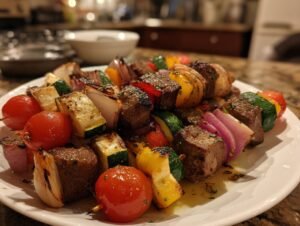
Is there anything more comforting than the aroma of a slow-simmering pot roast filling your kitchen on a chilly evening? I’ve lost count of the times I’ve turned to this classic dish when I needed something hearty, flavorful, and effortless that brings everyone to the table with smiles. That first bite—tender beef melting in your mouth, surrounded by caramelized vegetables and a rich gravy—it’s pure magic. This pot roast recipe has become my go-to, perfected over years of family dinners and cozy gatherings.
Table of Contents
What sets this pot roast apart is its simplicity paired with unbeatable depth of flavor. Starting with a well-marbled chuck roast, it transforms tough connective tissues into silky tenderness through low-and-slow cooking. The vegetables soak up every bit of that savory essence, creating a one-pot wonder that’s ideal for weeknights or impressing guests. No fancy techniques required—just wholesome ingredients and a little patience.
Perfect for fall leaf-peeping weekends or winter holidays, this dish feeds a crowd without fuss. It’s the kind of meal that lingers in memories, evoking grandma’s kitchen. Whether you’re a busy parent or a home cook craving comfort, this pot roast delivers every time. Let’s dive into making it your new favorite.
Ingredients for Classic Pot Roast
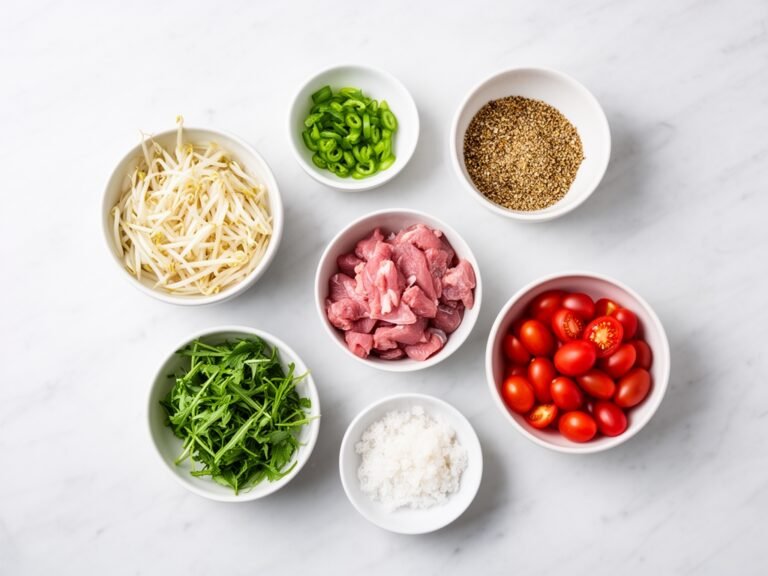
Selecting the right ingredients is key to an unforgettable pot roast. A quality chuck roast forms the star, chosen for its marbling that melts into rich juices during cooking. Fresh vegetables like carrots and potatoes add natural sweetness and heartiness, balancing the beefy savoriness perfectly.
These components shine because they complement each other seamlessly. Onions and garlic build a flavorful base, while herbs infuse subtle earthiness. The broth creates a luscious gravy without extra effort. For this pot roast, prioritize grass-fed beef if possible for enhanced taste, and seasonal veggies for peak freshness.
For the Pot Roast:
– 3-4 pounds chuck roast, trimmed of excess fat
– 2 tablespoons olive oil
– 1 large yellow onion, sliced
– 4 garlic cloves, minced
– 6 medium carrots, peeled and cut into 2-inch chunks
– 1 pound baby potatoes, halved
– 4 celery stalks, chopped
– 4 cups beef broth (low-sodium)
– 2 tablespoons tomato paste
– 2 bay leaves
– 1 tablespoon fresh thyme (or 1 teaspoon dried)
– 1 tablespoon fresh rosemary (or 1 teaspoon dried)
– Salt and black pepper, to taste
Substitution Notes: Swap carrots for parsnips for a sweeter twist. Use Yukon Gold potatoes instead of baby ones for creamier texture. If beef broth is unavailable, chicken broth works but adds a lighter note. For gluten-free, ensure broth is certified.
Shopping Tips: Look for chuck roast with even marbling at your butcher counter—bone-in adds extra flavor. Buy carrots and potatoes in bulk for value. Fresh herbs elevate the dish; dried are fine in a pinch.
Equipment Needed
A Dutch oven is essential for this pot roast, as its heavy lid traps moisture and heat for even braising. Tongs help sear the meat safely, while a sharp knife ensures precise vegetable cuts to cook uniformly.
You’ll also need a cutting board for prep and a wooden spoon for stirring. These tools make the process smooth and efficient.
– Large Dutch oven or heavy oven-safe pot (6-8 quarts)
– Tongs
– Sharp chef’s knife
– Cutting board
– Wooden spoon or spatula
– Measuring cups and spoons
– Aluminum foil (optional for covering)
Prep Time & Cook Time
Prep Time: 20 minutes
Cook Time: 3.5 hours
Total Time: 3 hours 50 minutes
Servings: 6-8
Difficulty: Easy
Timing is everything for tender pot roast. Prep quickly by chopping veggies ahead, and allow ample oven time for flavors to meld. Adjust based on roast size—thicker cuts need extra minutes. Patience here yields fork-tender results without rushing.
Step-by-Step Chuck Roast Instructions
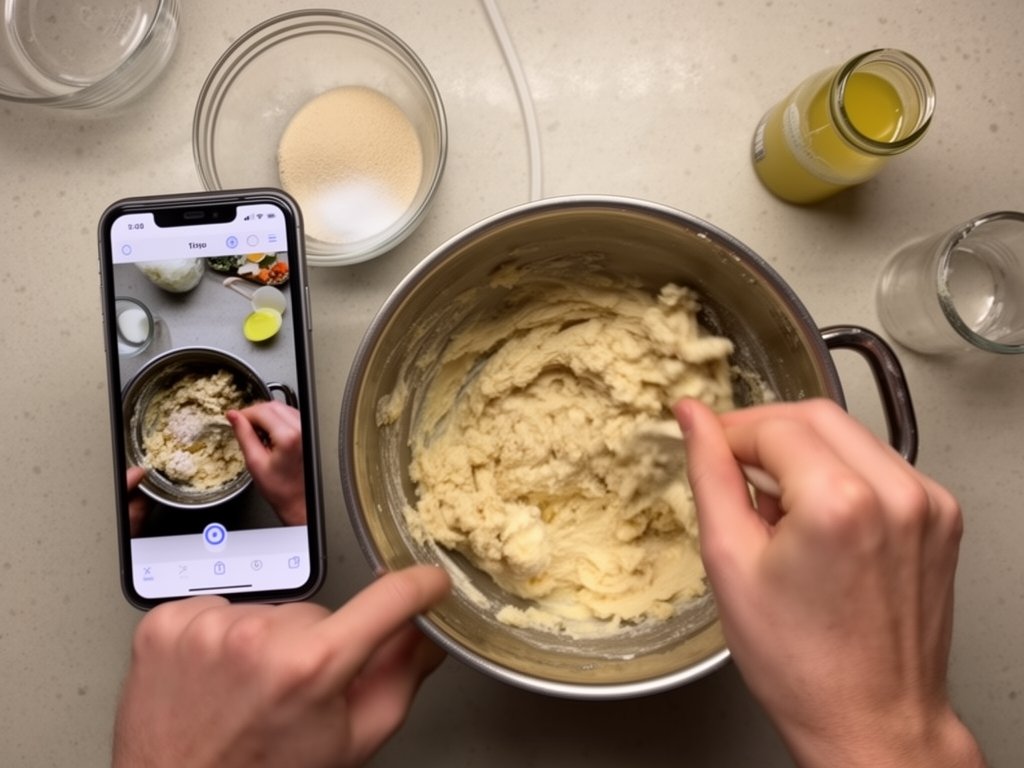
Mastering a classic pot roast starts with searing for that irresistible crust, locking in juices. This chuck roast method builds layers of flavor through browning, then slow braising. Expect aromatic bliss as it simmers.
Follow these steps closely for success. Each includes tips to avoid pitfalls and enhance taste in your chuck roast pot roast.
1. Preheat your oven to 325°F (165°C). Pat the chuck roast dry with paper towels—this removes moisture for better browning. Season generously on all sides with 2 teaspoons salt and 1 teaspoon black pepper. Let it sit at room temperature for 20 minutes to cook evenly later.
2. Heat 2 tablespoons olive oil in a Dutch oven over medium-high heat until shimmering. Sear the pot roast for 4-5 minutes per side until deeply browned. Use tongs to turn carefully. This Maillard reaction creates flavor compounds; don’t skip it, as it elevates the entire dish.
3. Remove the roast to a plate. Add sliced onion to the pot, reducing heat to medium. Sauté 5 minutes until softened and golden. Stir in minced garlic for 1 minute until fragrant—watch to prevent burning, which turns bitter.
4. Stir in 2 tablespoons tomato paste, cooking 2 minutes to caramelize its sugars. This adds umami depth to your pot roast. Deglaze with 1 cup beef broth, scraping browned bits for maximum flavor.
5. Return the seared chuck roast to the pot, nestling it into the onions. Add carrots, celery, potatoes, bay leaves, thyme, and rosemary around it. Pour in remaining 3 cups broth until meat is halfway submerged.
6. Bring to a simmer on stovetop, about 5 minutes. Cover tightly with lid and transfer to oven. Braise for 3 hours, checking at 2.5 hours. The chuck roast should be fork-tender; if not, continue 20-30 minutes more.
7. Remove pot from oven carefully using oven mitts. Transfer roast and veggies to a serving platter, tenting with foil to stay warm. This resting step redistributes juices for succulent slices.
8. For gravy, strain pot liquids through a fine mesh into a saucepan, discarding solids. Simmer over medium heat, whisking in 2 tablespoons cornstarch slurry (1 tablespoon cornstarch + 2 tablespoons water). Thicken 5-7 minutes until glossy.
9. Taste gravy and adjust salt or pepper. If too thick, add broth splash by splash. This velvety sauce ties the pot roast together beautifully.
10. Slice chuck roast against the grain for tenderness. Spoon gravy over top and serve hot. Pro tip: Let flavors rest 10 minutes post-slicing for peak enjoyment.
11. For extra veggies, add mushrooms in step 5—they absorb broth flavors wonderfully. Monitor liquid levels; add ½ cup broth if evaporating too fast during braise.
12. Cool leftovers promptly. This method ensures your pot roast stays moist and reheats like new.
Nutritional Information
This pot roast packs protein from the chuck roast, supporting muscle repair. Veggies provide fiber for digestion, while broth adds minerals without excess sodium.
Carrots deliver beta-carotene for eye health, and potatoes offer potassium for heart function. Herbs contribute antioxidants, making each serving nourishing and satisfying.
Per Serving (1/8 of recipe):
Calories: 450
Protein: 35g
Fat: 25g (healthy marbling)
Carbs: 20g
Fiber: 4g
Vitamin A: 120% DV
Iron: 25% DV
Overall, this balanced meal fuels active days with sustained energy from complex carbs and lean proteins.
Serving Suggestions & Variations
Pair your pot roast with creamy mashed potatoes to soak up gravy, or roasted root veggies for autumn vibes. A simple green salad adds crunch.
For summer, lighten with grilled zucchini sides and fresh herbs. In winter, serve over egg noodles with crusty bread. These chuck roast pairings keep it versatile.
Try slow cooker variation: Sear first, then cook low 8 hours. Or Instant Pot for 90 minutes high pressure—both yield tender results.
Swap potatoes for sweet potatoes for natural sweetness, enhancing the pot roast’s savoriness without overpowering.
Expert Tips & Tricks for Perfect Pot Roast
Elevate your pot roast with these pro secrets. Focus on quality ingredients and technique for restaurant-worthy results every time.
1. Choose marbled chuck roast—fat renders into flavor during braising, preventing dryness. Aim for 3-4 inches thick; trim only excess exterior fat to retain moisture.
2. Room-temperature meat sears better. Salt ahead (1 hour) for dry brine effect, drawing out then reabsorbing moisture for juicier pot roast.
3. Brown thoroughly on all sides. High heat creates fond (browned bits) that’s pure gold for gravy depth in your chuck roast.
4. Layer aromatics under meat so juices drip down, infusing everything. Tie herbs in a bundle for easy removal post-cook.
5. Use oven mitts for oven transfer—Dutch oven stays scorching hot. Lid must seal tight to steam-trap tenderness.
6. Test doneness by probe: Internal 205°F shreds easily. No peeking early to maintain heat.
7. Rest 15 minutes before slicing against grain. This redistributes juices, keeping your pot roast succulent.
8. Thicken gravy off-heat to avoid lumps. Blend veggies into it for natural body if desired.
9. For richer flavor, add Worcestershire (1 tsp) in deglaze step—umami booster without overpowering.
Common Mistakes to Avoid
Overcrowding the pot steams instead of browning your pot roast. Solution: Sear meat alone, add veggies later. Work in batches for even crust.
Skipping the sear leads to bland, boiled taste. Always brown first—the fond builds essential flavor foundation for chuck roast.
Using cold broth causes temperature shock, toughening meat. Warm it first and add gradually for smooth braise.
Cutting veggies too small makes mush. Chunk them large (2-inch) to hold shape alongside tender pot roast.
Lifting lid too often releases steam, extending cook time. Check only at minimum time; trust the process.
Not seasoning layers means flat gravy. Salt onions, veggies lightly during sauté for balanced taste.
High oven heat dries out edges. Stick to 325°F low-and-slow for melt-in-mouth chuck roast.
Ignoring fat trim: Too much pools unpleasantly. Remove thick caps but keep marbling intact.
Storage & Reheating Instructions
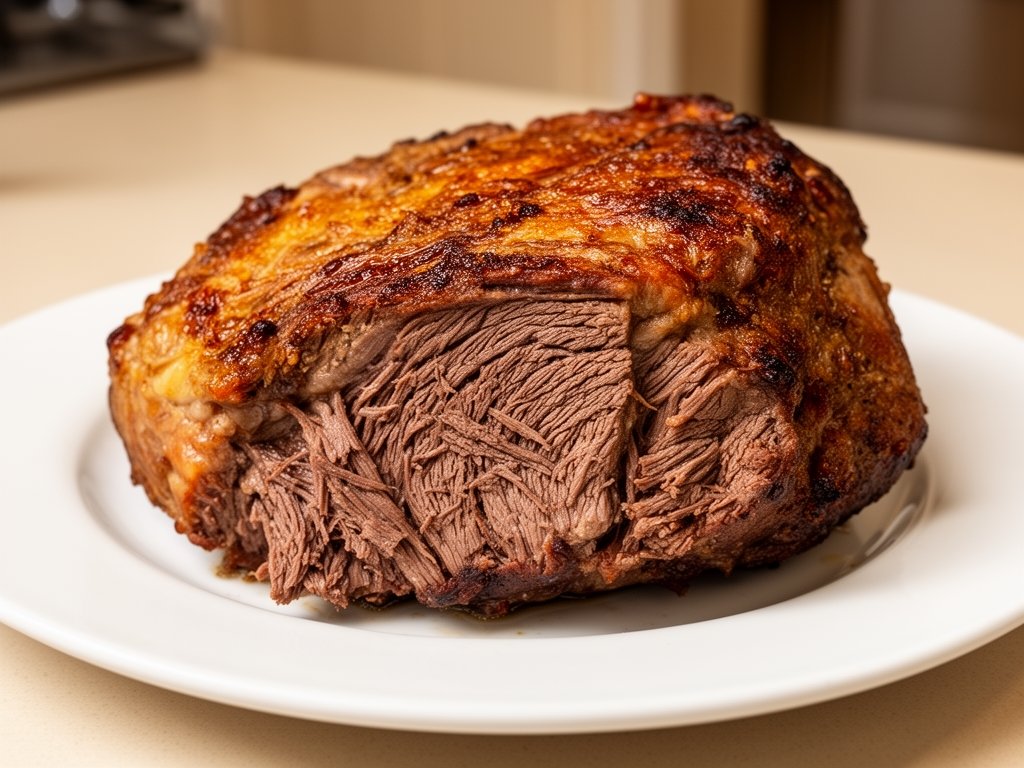
Store leftover pot roast in airtight containers in the fridge up to 4 days. Cool completely first to prevent condensation and spoilage.
For freezing, portion into freezer bags with gravy, removing air. It keeps 3 months; thaw overnight in fridge before reheating.
Reheat gently on stovetop over low with splash broth to revive moisture. Oven at 300°F covered works too, 20-30 minutes.
Avoid microwave blasts—use low power in covered dish. Food safety: Reheat to 165°F internal. Your chuck roast shines reheated right.
Conclusion
This pot roast is comfort food at its finest—tender chuck roast, vibrant veggies, and gravy that spoons up perfectly. It’s reliable for any cook, delivering warmth and satisfaction.
Make it soon for family nights or meal prep. Your kitchen will thank you with those irresistible aromas. Share your tweaks below!
FAQs
Can I use a different cut for pot roast?
Yes, bottom round works but is leaner—braise longer for tenderness. Stick with chuck roast for best marbling and flavor in this recipe. Add extra broth to compensate.
How do I make pot roast in a slow cooker?
Sear meat first, then add all ingredients. Cook low 8-10 hours. Gravy may need stovetop thickening. Results in fork-tender chuck roast pot roast effortlessly.
What’s the best way to thicken pot roast gravy?
Use cornstarch slurry post-braise: Simmer liquids, whisk in mix gradually. For roux lovers, make ahead with flour and fat. Avoid over-thickening; it should coat spoon lightly.
Can I add red wine to pot roast?
Substitute 1 cup broth with wine for tang, but reduce to mellow alcohol. Non-alcoholic red grape juice mimics depth without it. Enhances chuck roast beautifully.
How long does pot roast last in the freezer?
Up to 3 months in portions. Label with date. Thaw safely in fridge 24 hours. Reheats like fresh, keeping that signature tenderness.
Is bone-in chuck roast better for pot roast?
Absolutely—bone adds robust flavor as it simmers. Boneless is fine, slightly leaner. Both yield juicy results; bone-in edges out for depth.
Can I make this pot roast gluten-free?
Yes, use certified gluten-free broth and cornstarch. Skip flour if thickening roux-style. Naturally hearty and safe for most diets.
What sides pair best with pot roast?
Mashed potatoes, green beans, or cornbread soak up gravy. Dinner rolls for dipping. Seasonal salads balance richness perfectly.
Why is my pot roast tough?
Likely undercooked or high heat. Braise fully to 205°F internal; connective tissues need time to break down in chuck roast. Low-and-slow fixes it.
How to scale pot roast for a crowd?
Double ingredients, use larger pot. Cook time same if single layer. Per pound timing ensures even tenderness for bigger batches.