Have you ever craved a meal that wraps you in warmth like a cozy blanket on a chilly evening? That’s exactly what this beef stew delivers—a rich, savory masterpiece that’s simple to make yet tastes like it simmered all day in a grandmother’s kitchen. With tender chunks of beef melting into a velvety broth packed with hearty vegetables, every spoonful bursts with deep, comforting flavors that linger long after the last bite.
What sets this beef stew apart is its perfect balance of simplicity and indulgence. You don’t need fancy skills or hours of babysitting the stove; just quality ingredients and a bit of patience let the magic happen. It’s ideal for family dinners, cozy date nights, or meal prepping for busy weeks ahead. The aroma alone will draw everyone to the table, creating memories around the bowl.
I remember the first time I perfected this recipe during a rainy weekend. The house filled with the scent of slow-cooked beef and herbs, turning an ordinary day into something special. This hearty beef stew has become my go-to for feeding a crowd without stress. It’s forgiving for beginners yet elevates with little tweaks.
Whether you’re battling winter blues or just want elevated comfort food, this dish shines. The beef becomes fork-tender, absorbing every nuance from carrots, potatoes, and aromatic thyme. Paired with crusty bread, it’s pure bliss. Dive in and discover why this beef stew deserves a spot in your rotation—easy, delicious, and endlessly satisfying.
Ingredients for Hearty Beef Stew
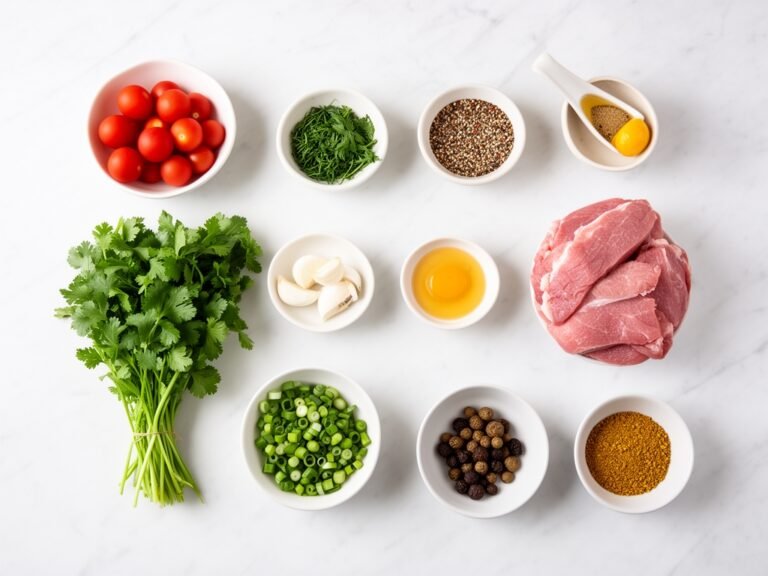
Choosing the right ingredients is the secret to an unforgettable beef stew. Start with well-marbled chuck roast—it breaks down beautifully during slow cooking, infusing the broth with rich flavor. Fresh vegetables like carrots and potatoes add natural sweetness and heartiness, while onions and celery build a flavorful base known as mirepoix.
These elements work in harmony: the beef releases juices that mingle with beef stock and tomatoes for a thick, luscious gravy without needing extra thickeners. Herbs like rosemary and thyme provide earthy notes that elevate the entire pot. Opt for organic produce when possible for brighter taste and better texture in your hearty beef stew.
Shopping smartly saves time—grab pre-chopped mirepoix from the produce aisle if you’re in a rush, but whole veggies yield superior results. For beef, look for deep red cuts with white fat marbling; avoid leaner pieces that dry out.
For the Beef and Base:
– 2 lbs boneless beef chuck roast, cut into 1.5-inch cubes
– 3 tablespoons olive oil
– 1 large yellow onion, diced
– 4 ribs celery, chopped into 1-inch pieces
– 4 large carrots, peeled and sliced into ½-inch rounds
– 4 cloves garlic, minced
Vegetables and Liquids:
– 1.5 lbs Yukon gold potatoes, peeled and cut into 1-inch chunks
– 1 (28 oz) can diced tomatoes, with juices
– 4 cups low-sodium beef broth
– 2 tablespoons tomato paste
– 2 bay leaves
Seasonings and Aromatics:
– 1 teaspoon dried rosemary (or 2 sprigs fresh)
– 1 teaspoon dried thyme (or 2 sprigs fresh)
– Sea salt and freshly ground black pepper, to taste
– 2 tablespoons Worcestershire sauce (optional for umami depth)
Substitution Notes: Swap potatoes for sweet potatoes for a nutrient twist; use chicken broth if beef stock is unavailable, though it alters the classic profile. For gluten-free, skip any flour dredging. Shop tips: Buy beef in bulk and freeze extras; choose firm carrots that snap when bent.
Equipment Needed
For the best beef stew, gather tools that ensure even cooking and easy cleanup. A heavy Dutch oven or large cast-iron pot is essential—its thick base distributes heat evenly, preventing scorching while developing deep flavors through searing.
You’ll also need a sharp chef’s knife for precise cuts, a wooden spoon for stirring without scratching, and a ladle for serving. These basics make the process seamless for home cooks.
– Dutch oven or large heavy-bottomed pot (6-8 quart)
– Sharp chef’s knife
– Cutting board
– Wooden spoon or heat-safe spatula
– Measuring cups and spoons
– Tongs for handling beef
– Lid for pot (tight-fitting)
Prep Time & Cook Time
Prep Time: 20 minutes
Cook Time: 2 hours 30 minutes
Total Time: 2 hours 50 minutes
Servings: 6
Difficulty: Easy
Timing is key to tender, flavorful results in this hearty beef stew. Prep focuses on quick chopping while the long simmer allows flavors to meld without constant attention—perfect for multitasking. Start early so the stew rests 10-15 minutes before serving, thickening naturally. Adjust cook time slightly for altitude or pot size, but resist rushing; low and slow yields the best beef stew.
Step-by-Step Instructions for Hearty Beef Stew
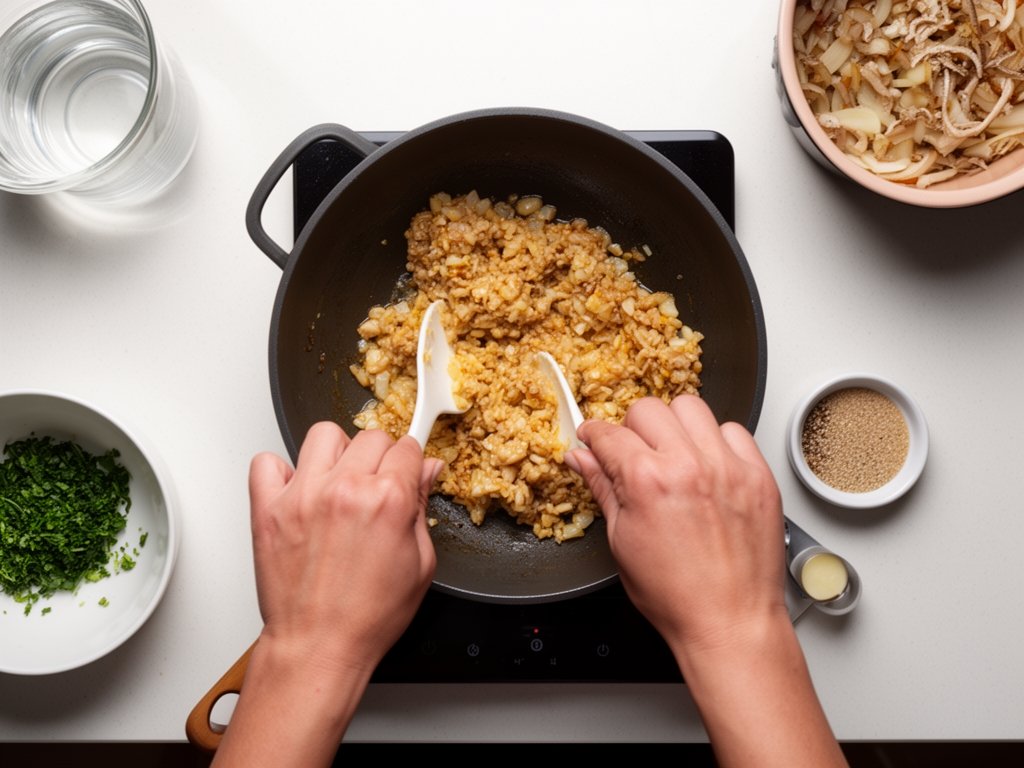
Mastering a beef stew comes down to building layers of flavor through browning, simmering, and resting. This stovetop method is straightforward, forgiving, and yields restaurant-quality results. Patience during the low simmer transforms tough beef into melt-in-your-mouth goodness surrounded by vibrant veggies.
Follow these steps closely for a pot of hearty beef stew that’ll impress every time. Prep all ingredients mise en place style to keep things smooth.
1. Pat the beef cubes dry with paper towels—this removes excess moisture for superior browning. Season generously with 1 teaspoon salt and ½ teaspoon pepper. Heat 2 tablespoons olive oil in your Dutch oven over medium-high heat until shimmering, about 2 minutes. Work in batches to avoid crowding; sear beef 3-4 minutes per side until deep golden crust forms. Transfer to a plate; this Maillard reaction builds unbeatable flavor for the stew.
2. Lower heat to medium; add remaining 1 tablespoon oil if needed. Toss in diced onion, celery, and carrots. Sauté 8-10 minutes, stirring occasionally, until softened and edges caramelize lightly. This mirepoix foundation is crucial for depth in your beef stew. Scrape any browned bits from the pan—they’re flavor gold.
3. Stir in minced garlic and tomato paste; cook 2 minutes until fragrant and paste darkens. This step blooms the flavors, preventing raw garlic bite and enriching the base. Deglaze with a splash of beef broth if sticking occurs.
4. Return seared beef and juices to the pot. Add diced tomatoes with juices, beef broth, Worcestershire sauce (if using), bay leaves, rosemary, and thyme. Stir well, scraping the pot bottom. Bring to a gentle boil over medium-high heat, about 5 minutes.
5. Reduce heat to low, cover partially, and simmer 1 hour 30 minutes. Check halfway; skim foam if any rises. The beef should start tenderizing, and broth thickening slightly—this slow cook is key for classic hearty beef stew texture.
6. Uncover and add potato chunks, nestling them into the liquid. If stew seems thin, simmer uncovered 10 more minutes first. Continue simmering covered another 45-60 minutes, stirring every 15 minutes, until beef shreds easily and potatoes are fork-tender.
7. Taste and adjust seasoning—add salt, pepper, or a pinch more herbs. Remove bay leaves and herb sprigs. For thicker gravy, mash a few potatoes against the pot side or simmer uncovered 10-15 minutes. Let rest 10 minutes off heat for flavors to settle.
8. Serve hot, garnished with fresh parsley if desired. This beef stew reheats even better, so make ahead for peak taste.
Nutritional Information
This hearty beef stew packs a nutrient punch, making it a wholesome choice for balanced meals. Tender beef provides high-quality protein essential for muscle repair, while colorful veggies deliver fiber for digestion and satiety. One serving offers sustained energy without empty calories.
Beef contributes iron and zinc for immune support, paired with vitamin C from carrots and tomatoes to boost absorption. Potatoes add potassium for heart health, creating a complete profile. At around 450 calories per serving, it’s filling yet moderate.
Vitamins abound: A from carrots for eye health, B vitamins from beef for metabolism, and antioxidants from herbs. The broth base keeps sodium in check if using low-sodium stock, promoting steady blood pressure.
Per Serving (1/6 of recipe):
– Calories: 450
– Protein: 35g
– Carbohydrates: 30g (Fiber: 5g)
– Fat: 20g (Saturated: 7g)
– Iron: 25% DV
– Potassium: 30% DV
This beef stew supports active lifestyles with its macro balance—lean protein, complex carbs, and healthy fats for all-day fuel.
Serving Suggestions & Variations
Pair your beef stew with crusty sourdough bread to sop up every drop of gravy—it’s a match made in heaven. For a lighter touch, serve over creamy mashed potatoes or wide egg noodles, letting the stew’s richness shine.
In fall, swap carrots for parsnips and add mushrooms for an earthy hearty beef stew twist. Winter calls for root veggies like turnips; spring brings fresh peas stirred in at the end for pop.
Try slow cooker variations: sear beef first, then cook on low 8 hours for hands-off ease. Instant Pot? Pressure cook 35 minutes after sautéing. These methods preserve tenderness while fitting busy schedules.
For swaps, use lamb for a gamier note or turkey for leaner protein. Bulk with lentils for extra fiber. These ideas keep the stew versatile and exciting all season.
Expert Tips & Tricks for the Best Beef Stew
Elevate your game with these pro secrets for a standout beef stew. Focus on quality searing and patient simmering to unlock maximum flavor—rushing dilutes the magic.
1. Choose the right cut: Opt for chuck or shoulder with ample marbling; it renders fat into the broth for silkiness. Trim excess silver skin to avoid chewiness. This step ensures beef melts in the final hearty beef stew.
2. Sear in batches: Overcrowding steams the meat, killing browning. High heat and dry surfaces create fond—the caramelized bits that define rich gravy. Patience here pays off big.
3. Layer seasonings: Add salt early to beef, herbs mid-simmer, and final tweaks at end. This builds complexity without overpowering. Taste as you go for perfect balance.
4. Deglaze thoroughly: After veggies, pour in broth while scraping—those bits dissolve into umami bomb. Skip this, and you lose depth in your beef stew.
5. Potato timing: Add late to prevent mushiness; they thicken naturally. Yukon golds hold shape best. For gluten-free thickener, blend a cup of stew and stir back.
6. Rest before serving: 10 minutes off heat lets flavors marry and starch settle. Your beef stew thickens beautifully this way.
7. Herb upgrade: Tie fresh sprigs into a bouquet garni for easy removal. Dried works, but fresh intensifies aroma. Pro tip: Add a Parmesan rind during simmer for subtle cheesiness.
8. Make ahead: Flavors peak day two. Simmer extra broth for freezing into ice cubes—quick flavor boosts later.
Common Mistakes to Avoid
1. Skipping the sear: Raw beef straight to simmer yields bland, tough results. Browning locks in juices and builds fond. Solution: Pat dry, season, and sear hot—worth the 10 extra minutes for superior beef stew taste.
2. Overcrowding the pot: Steaming instead of browning dilutes flavor. Cook beef batches; it’s key for beef stew depth. Stir veggies gently to avoid mush.
3. High-heat simmering: Boiling toughens meat. Keep gentle bubbles; low and slow tenderizes collagen into gelatin. Check heat and cover partially.
4. Wrong potato type: Russets disintegrate; use waxy varieties. Cut uniform sizes for even cooking in hearty beef stew. Test doneness early.
5. Insufficient seasoning: Taste iteratively—broth mutes flavors. Layer salt, then herbs, final adjust. This prevents bland pots.
6. Early veggie addition: Potatoes turn to mush if simmered too long. Add after beef softens for perfect texture in your beef stew.
7. No resting: Serving immediately means thin broth. Rest 10 minutes to thicken naturally via starch.
Storage & Reheating Instructions
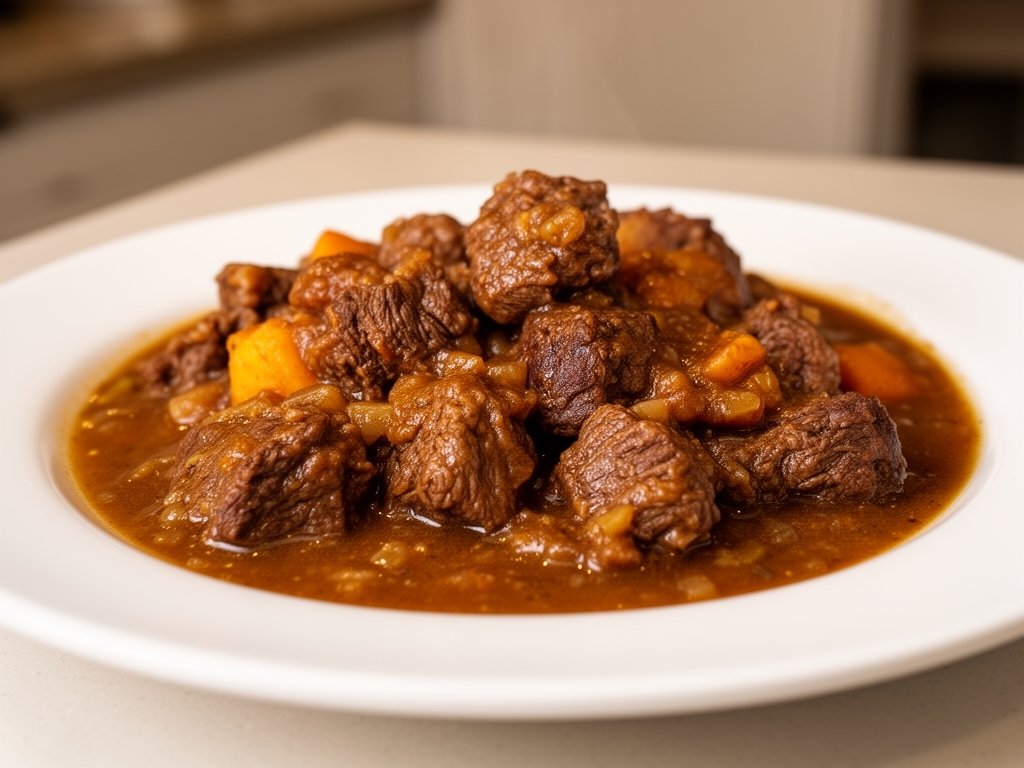
Store leftover beef stew in airtight containers in the fridge up to 4 days. Cool completely first to prevent condensation and bacterial growth. Portion into single servings for grab-and-go ease.
Freezer storage shines here—ladle into freezer bags, flatten for space, and freeze up to 3 months. Label with date; thaw overnight in fridge. This preserves the hearty beef stew’s texture beautifully.
Reheat gently on stovetop over low heat, stirring until 165°F internally—add splash of broth if thickened too much. Microwave in covered dish with vent, stirring midway, 2-3 minutes per serving.
Food safety first: Never reheat more than once. For oven, 350°F covered 20-25 minutes. These tips keep every bowl as delicious as fresh.
Conclusion
This beef stew is more than a recipe—it’s reliable comfort that delivers every time. With tender beef, vibrant veggies, and a broth that sings, it’s perfect for any night you crave warmth and flavor.
Make a batch this weekend and watch it become a staple. Your family will thank you. Head to the kitchen, gather ingredients, and simmer up some joy—your pot of hearty beef stew awaits!
FAQs
Can I make beef stew in a slow cooker?
Absolutely—sear beef and veggies first for flavor, then transfer to slow cooker with liquids and herbs. Cook low 8 hours or high 4-5. This hands-off method yields tender results like stovetop beef stew, perfect for busy days. Stir once midway.
What can I substitute for potatoes in hearty beef stew?
Try sweet potatoes, parsnips, or cauliflower florets for low-carb options. They absorb flavors well and maintain structure. Add 10 minutes later to avoid overcooking, keeping the stew hearty and satisfying.
How do I thicken beef stew if it’s too thin?
Mash some potatoes in the pot or simmer uncovered 15 minutes. For slurry, mix 1 tablespoon cornstarch with water, stir in gradually. This creates velvety beef stew without altering taste.
Is beef stew freezer-friendly, and how long does it last?
Yes, freeze up to 3 months in portions. Thaw in fridge, reheat gently. Flavors deepen, making it better second time. Always check for off smells before eating your hearty beef stew.
What sides pair best with beef stew?
Crusty bread, rice, or polenta soak up gravy perfectly. Green salad adds crunch; cornbread brings sweetness. For cozy nights, mashed potatoes elevate the classic hearty beef stew experience.
Can I use different meats for this recipe?
Lamb shoulder or venison works great—same cut size and sear method. Adjust simmer to 2-3 hours for tenderness. Keeps the beef stew vibe rich and comforting.
How do I fix tough beef in beef stew?
Cook longer on low heat; collagen needs time to break down. Acid like tomatoes helps tenderize. Next time, choose marbled chuck for foolproof results.
Can I scale this recipe for a crowd?
Double ingredients but use bigger pot; cook time same as flavors concentrate. Taste before serving. Ideal for potlucks—your beef stew will steal the show.
What’s the best way to store leftovers?
Fridge in airtight containers 3-4 days; cool fully first. Freeze flat bags for stacks. Reheat to 165°F for safety in hearty beef stew.