Have you ever woken up craving something warm, fluffy, and packed with fresh flavors that feels like a hug from your kitchen? That’s exactly what this omelette delivers every single time. Imagine cracking open eggs to reveal a vibrant mix of sautéed veggies nestled inside, all folded into a golden, tender package. This vegetable omelette isn’t just breakfast—it’s your quick ticket to starting the day right, whether you’re rushing out the door or savoring a lazy weekend morning.
Table of Contents
What makes this omelette stand out is its perfect balance of simplicity and satisfaction. With colorful bell peppers, mushrooms, onions, and spinach, it bursts with natural sweetness and earthiness that elevates everyday eggs. No fancy techniques needed; it’s ready in under 15 minutes, making it ideal for busy weeknights or brunch with friends. The cheese melts just right, adding that creamy pull without overpowering the fresh veggie crunch.
I’ve made countless versions over the years, but this vegetable omelette recipe hits the sweet spot—light yet filling, with flavors that linger. It’s versatile too, perfect for any meal, and always leaves you feeling energized. If you’re tired of bland scrambled eggs, this omelette will become your go-to. Let’s dive in and whip one up—you’ll wonder why you waited so long!
Ingredients for Vegetable Omelette
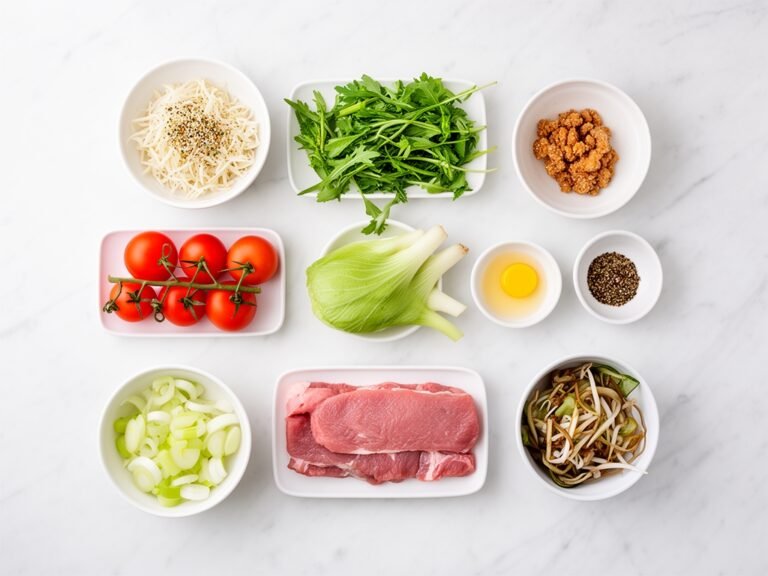
Choosing the right ingredients is key to a standout vegetable omelette. Fresh, crisp vegetables like red bell peppers, mushrooms, and spinach provide texture and natural moisture that keeps the eggs fluffy. Onions add a subtle sweetness when sautéed, while a touch of cheddar brings everything together with melty richness. These picks ensure every bite is balanced and bursting with flavor.
Opt for high-quality eggs—large and fresh—for the best rise and tenderness in your omelette. A splash of water or milk lightens the mixture, preventing a dense result. Seasonings like salt and pepper enhance the veggies without overwhelming them. This combo creates harmony, where veggies shine alongside creamy eggs.
For the filling (serves 1-2):
– ¼ cup finely diced red onion
– ¼ cup sliced mushrooms (button or cremini work best)
– ¼ cup finely diced red bell pepper
– ½ cup fresh baby spinach leaves
– 1 tablespoon olive oil or butter
For the eggs:
– 3 large eggs
– 1 tablespoon water or milk
– ¼ teaspoon salt
– ¼ teaspoon ground black pepper
– ¼ cup shredded cheddar cheese (sharp for more flavor)
Substitution notes: Swap mushrooms for zucchini if you prefer milder taste; use goat cheese instead of cheddar for tanginess. For shopping, pick firm bell peppers and mushrooms with closed caps—avoid wilted spinach. Pre-shredded cheese saves time but fresh-grated melts smoother.
Equipment Needed
A reliable non-stick skillet is essential for this vegetable omelette, as it ensures easy flipping without sticking. An 8-10 inch size is perfect for even cooking and folding. A whisk aerates the eggs for fluffiness, while a flexible spatula helps lift edges precisely.
You’ll also need a mixing bowl for combining ingredients smoothly. Paper towels wipe the pan clean between steps, preventing flavor carryover.
– 8-10 inch non-stick skillet
– Whisk or fork
– Flexible spatula
– Small mixing bowl
– Paper towels
Prep Time & Cook Time
Prep Time: 5 minutes
Cook Time: 8-10 minutes
Total Time: 13-15 minutes
Servings: 1 (easily doubles)
Difficulty: Easy
Timing is everything for a perfect omelette. Prep veggies ahead to shave minutes—dice while heating the pan. Cook veggies first for 3-4 minutes to release moisture, then eggs cook fast at medium heat. Watch closely; overcooking toughens them. Multitask by whisking eggs during sautéing for efficiency.
Step-by-Step Instructions for Vegetable Omelette

Mastering a vegetable omelette starts with patience and heat control. Sauté veggies to draw out their flavors, then pour in whisked eggs for a custardy base. This method locks in moisture, creating a tender fold-over packed with goodness. Follow these steps closely for restaurant-quality results every time.
1. Heat 1 tablespoon olive oil in an 8-inch non-stick skillet over medium heat for 1 minute until shimmering. Add ¼ cup diced red onion, stirring for 1 minute to soften and release sweetness—this builds the flavor base for your veggie-packed omelette. Avoid high heat to prevent burning.
2. Toss in ¼ cup sliced mushrooms and ¼ cup diced red bell pepper. Season with a pinch of salt and pepper. Sauté 3-4 minutes, stirring occasionally, until veggies soften and mushrooms release moisture. This step caramelizes edges for depth—key to an irresistible vegetable omelette.
3. Add ½ cup baby spinach in the last minute. Stir until just wilted, about 30-45 seconds; it shrinks fast. Transfer veggies to a bowl with a slotted spoon, leaving excess liquid behind to keep your omelette from getting soggy. Wipe skillet lightly with paper towels.
4. In a small bowl, crack 3 large eggs. Add 1 tablespoon water, ¼ teaspoon salt, and ¼ teaspoon pepper. Whisk vigorously for 20-30 seconds until frothy and uniform—this incorporates air for fluffiness in the eggs.
5. Return skillet to medium heat. Pour egg mixture in, tilting pan to spread evenly to edges. Cook undisturbed for 1-2 minutes until edges set and bottom lightly browns. Gently lift with spatula to let uncooked eggs flow underneath.
6. Sprinkle sautéed veggies over one half of the egg surface. Distribute evenly for balanced bites in your vegetable omelette. Add ¼ cup shredded cheddar on top—it melts from residual heat.
7. Cook another 1 minute until cheese softens and eggs are mostly set but top still slightly runny. This timing ensures a creamy interior without dryness.
8. Use spatula to carefully fold empty egg half over the filled side, pressing gently. Slide onto plate after 30 seconds more cooking—the residual heat finishes it perfectly for a classic omelette shape.
9. Let rest 1 minute before slicing. Garnish with fresh herbs if desired. Serve immediately to enjoy peak fluffiness.
10. For doubles, repeat in clean skillet or larger pan, adjusting heat to medium-low to avoid overcooking outer layers.
11. Pro tip: If eggs stick slightly, add a tiny pat of butter before pouring next batch—this keeps every vegetable omelette gliding smoothly.
12. Practice makes perfect; first-time folders might jiggle the pan gently to loosen before flipping.
Nutritional Information
This vegetable omelette shines nutritionally, delivering high-quality protein from eggs that keeps you full for hours. Veggies like bell peppers and spinach boost fiber for digestion, while mushrooms add antioxidants. It’s a low-carb powerhouse at around 300 calories per serving.
Eggs provide complete protein with all essential amino acids, supporting muscle repair. A serving offers about 20g protein, plus healthy fats from olive oil for heart health. Vitamins A and C from peppers and spinach strengthen immunity—ideal for daily wellness.
Cheese contributes calcium for bones, and the water addition keeps it light without sacrificing taste. This omelette balances macros perfectly for balanced energy.
Per serving (1 omelette):
– Calories: 320
– Protein: 20g
– Fat: 24g
– Carbs: 8g
– Fiber: 2g
– Vitamin A: 40% DV
– Vitamin C: 60% DV
Serving Suggestions & Variations
Pair your omelette with toasted whole-grain bread and a side salad for a complete brunch. Fresh fruit like berries adds sweetness, contrasting the savory veggies beautifully.
For dinner, serve alongside roasted potatoes or quinoa. Seasonal twists shine: summer tomatoes and zucchini swap in effortlessly for a garden-fresh vegetable omelette vibe.
Try baking variation—pour into muffin tins for mini portions, perfect for meal prep. Grill on a panini press for crisp edges.
Related keyword like vegetable omelette with feta and herbs offers Mediterranean flair. Swap cheddar for it next time.
Expert Tips & Tricks for the Perfect Vegetable Omelette
Elevate your game with these pro secrets for a flawless omelette. Focus on fresh ingredients and heat management for consistent results.
1. Use room-temperature eggs; cold ones cook unevenly, leading to rubbery textures. Let them sit out 10 minutes before whisking—this ensures even fluff in your vegetable omelette.
2. Sauté veggies separately to evaporate moisture; wet fillings steam eggs instead of letting them set crisply. Pat dry if needed for pro-level dryness control.
3. Whisk in a splash of water, not milk, for lighter eggs—milk can make them dense. Aim for 1 tablespoon per 3 eggs in this omelette.
4. Medium heat is key; too hot browns bottoms too fast while tops stay raw. Test by flicking water droplets—they should dance, not sizzle wildly.
5. Fold, don’t flip: Gently fold for intact shape. Practice with spatula under the edge first to loosen perfectly.
6. Cheese last: Add after veggies so it melts without burning. Freshly grated shreds faster than pre-packaged.
7. Non-stick spray backup: Even “non-stick” pans benefit from a light coat for insurance against stubborn eggs.
8. Customize heat levels: Lower for larger omelettes to cook through without drying edges.
9. Resting matters: 1-minute rest firms it up, making slicing easier and flavors meld.
10. Scale smart: Double eggs but keep veggie ratios same to avoid overflow in your veggie omelette.
Common Mistakes to Avoid
Overcrowding the pan with too many veggies releases excess water, turning your omelette soggy. Solution: Stick to measured amounts and sauté in batches if doubling.
High heat burns bottoms while leaving tops runny—dial to medium and watch closely. Use a timer for 1-2 minute intervals to perfect timing.
Skipping the whisk thoroughly leaves streaks; beat 20-30 seconds for uniform color and fluff. Undercooked fillings taste raw—always sauté first.
Not wiping the pan transfers bitter veggie bits to eggs. Quick paper towel swipe fixes it instantly.
Folding too early tears the omelette; wait for semi-set top. Patience yields clean folds.
Overloading cheese makes it greasy; ¼ cup max per serving balances meltiness.
Ignoring pan size leads to thin, uneven eggs—8-inch for singles, 10-inch for larger vegetable omelettes.
Storage & Reheating Instructions

Store leftover omelette in an airtight container in the fridge up to 2 days. Cool completely first to avoid condensation sogginess—ideal for meal prep.
Freezer works for up to 1 month; wrap tightly in foil then plastic. Thaw overnight in fridge before reheating to preserve texture.
Reheat gently in non-stick skillet over low heat, covered, for 2-3 minutes per side. Microwave in 30-second bursts, flipping halfway, but skillet yields crispier results.
Food safety first: Reheat to 165°F internal temp. Avoid leaving out over 2 hours to prevent bacterial growth.
Conclusion
This vegetable omelette is a game-changer—quick, nutritious, and endlessly customizable for any craving. Its fresh veggies and fluffy eggs make it a staple you’ll crave daily.
Whip one up tomorrow and taste the difference. Share your twists in comments—I’d love to hear! Happy cooking!
FAQs
Can I make this omelette vegan?
Yes! Use chickpea flour mixed with water as an egg sub (3 tbsp flour + 4 tbsp water per egg). Sauté veggies same way, add nutritional yeast for cheesiness. Cook slightly longer on low heat for binding. Tastes egg-like with great veggie crunch.
How do I fix a broken vegetable omelette?
If it tears while folding, press together and cook 1 more minute—it sets fine. Or turn into scramble by chopping fillings in. Next time, loosen edges fully with spatula before folding.
What’s the best cheese for this recipe?
Cheddar melts smoothly, but try feta for tang or mozzarella for stretch. Shred fresh for even melt. About ¼ cup keeps your vegetable omelette balanced.
Can I add meat to the vegetable omelette?
Absolutely—diced chicken or turkey cooks with veggies first. Use pre-cooked to avoid overcooking eggs. Keeps it hearty without sogginess.
How long does it last in the fridge?
Up to 2 days airtight. Reheat gently to avoid toughness. Best fresh, but great for breakfast leftovers.
Any low-carb variations?
Skip water, use all eggs, load extra spinach and mushrooms. Pairs with avocado for fats. Stays under 5g net carbs per serving.
Why is my omelette watery?
Too much veggie moisture—sauté longer or pat dry. Whisk in less water next time. Dry skillet trick prevents steam buildup.
Can I bake this omelette?
Yes, 350°F ramekin for 12-15 minutes. Layer veggies, pour eggs over, top with cheese. Frittata-style perfection.
Scaling for a crowd?
Double everything in a 12-inch skillet. Cook veggies first, then eggs. Fold into wedges. Serves 2-4 easily.
Gluten-free tips?
Naturally gluten-free! Ensure non-stick spray is GF if using. Veggies and eggs shine solo.