Have you ever woken up craving a breakfast that’s both hearty and hassle-free, something that fuels your day without the morning rush? Imagine biting into fluffy, golden egg muffins packed with colorful veggies, where every muffin bursts with flavor and nutrition. These veggie egg muffins have become my go-to for busy weekdays, weekend brunches, or even as a quick snack. They’re incredibly versatile, blending the richness of eggs with fresh vegetables for a satisfying bite that’s ready in under 30 minutes.
Table of Contents
What makes these egg muffins so special? It’s their perfect balance of protein from wholesome eggs, vibrant veggies like bell peppers, spinach, and onions for crunch and freshness, and a touch of melted cheese for that irresistible gooeyness. No more boring scrambled eggs—these portable wonders hold their shape, making them ideal for meal prep. Whether you’re feeding a family or grabbing one on the go, they deliver convenience without sacrificing taste.
I’ve perfected this recipe over countless batches, tweaking veggies for seasons and moods. In spring, I load them with asparagus tips; come fall, roasted zucchini shines. The beauty lies in their simplicity—whip up a batch on Sunday, and you’ve got breakfast sorted for the week. Friends rave about how these veggie egg muffins reheat flawlessly, staying moist and flavorful. If you’re tired of the same old routine, these egg muffins will transform your mornings into something exciting and nourishing.
Picture this: a tray fresh from the oven, aromas of sautéed peppers and herbs filling your kitchen. Each muffin is a little powerhouse, customizable to your tastes. They’re not just food; they’re a smart, delicious way to start strong. Dive in, and see why these egg muffins are about to become your new favorite.
Ingredients for Egg Muffins
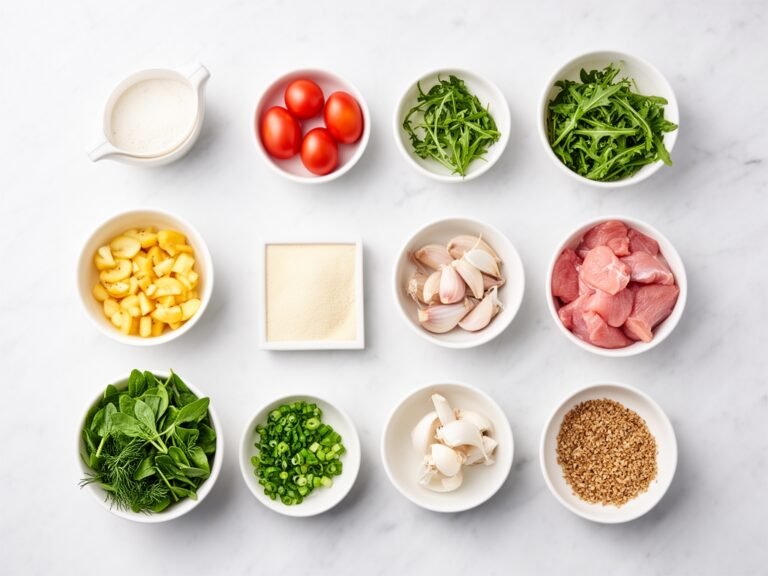
Choosing the right ingredients is key to egg muffins that are fluffy, flavorful, and packed with goodness. I opt for fresh, seasonal vegetables like bell peppers, spinach, mushrooms, and onions because they add natural sweetness, texture, and moisture without overpowering the eggs. Sautéing them first removes excess water, ensuring your veggie egg muffins don’t turn soggy—a common pitfall in similar recipes.
Eggs form the base, providing structure and protein, while a splash of milk creates that tender crumb. Cheeses like cheddar and Parmesan bring creaminess and a savory boost. Seasonings such as salt, pepper, and mustard powder elevate everything subtly. These picks work in harmony, making egg muffins not just tasty but also nutrient-dense.
For the Vegetables (makes about 3 cups total):
– 1 cup diced red bell peppers (about 1 medium)
– 1 cup chopped spinach (fresh, packed)
– ¾ cup diced mushrooms (button or cremini)
– ½ cup finely chopped onion (or 2 green onions, sliced)
– 1 teaspoon olive oil (for sautéing)
For the Egg Base:
– 12 large eggs
– ¼ cup milk (whole or 2% for creaminess)
– ½ teaspoon salt
– ½ teaspoon black pepper
– ½ teaspoon dry mustard powder
Cheese and Add-Ins:
– ¾ cup shredded cheddar cheese
– ¼ cup shredded Parmesan cheese
Substitution notes: Swap bell peppers for zucchini or broccoli if you prefer; use almond milk for dairy-free creaminess. Shop for organic eggs and veggies at farmers’ markets for peak freshness—look for firm peppers and vibrant spinach leaves. Pre-shredded cheese works in a pinch, but grating your own melts better.
Equipment Needed
A standard 12-cup muffin tin is essential for shaping these egg muffins perfectly, ensuring even baking and easy portioning. Nonstick spray or liners prevent sticking, while a large skillet for sautéing veggies guarantees tender results without sogginess. A whisk or fork blends the eggs smoothly, incorporating air for fluffiness.
You’ll also need a sharp knife and cutting board for precise veggie chops, promoting uniform cooking. A mixing bowl holds everything together, and oven mitts keep you safe. These tools make the process foolproof.
– 12-cup muffin tin
– Cooking spray or muffin liners
– Large skillet
– Large mixing bowl
– Whisk
– Sharp knife and cutting board
– Measuring cups and spoons
– Oven mitts
Prep Time & Cook Time
Prep Time: 15 minutes
Cook Time: 22-25 minutes
Total Time: 40 minutes
Servings: 12 egg muffins
Difficulty: Easy
Timing is everything for perfect egg muffins—spend the prep chopping and sautéing veggies quickly to keep things efficient. Bake promptly after filling to avoid settling, and check at 22 minutes for a set center. These tips ensure your batch is golden and ready without overcooking.
Step-by-Step Instructions for Veggie Egg Muffins
Mastering veggie egg muffins starts with prepping ingredients mindfully, ensuring every bite is balanced and delicious. Sautéing vegetables first is crucial—it softens them, evaporates moisture, and intensifies flavors, preventing watery egg muffins. Whisking eggs thoroughly incorporates air for a light texture.
Follow these steps closely for foolproof results. Each one builds on the last, turning simple staples into impressive veggie egg muffins.
1. Preheat your oven to 350°F (175°C) and generously spray a 12-cup muffin tin with cooking spray. This high heat ensures even baking, while the spray creates a nonstick barrier. Position the rack in the middle for uniform heat distribution—avoid the top rack to prevent over-browning. Prep time here is just 2 minutes.
2. Heat 1 teaspoon olive oil in a large skillet over medium heat. Add diced onion and mushrooms first; sauté for 3-4 minutes until softened and fragrant. Stir occasionally to prevent sticking—the onions turn translucent, releasing sweetness that infuses your egg muffins beautifully.
3. Toss in diced red bell peppers and chopped spinach. Cook for another 3 minutes, stirring frequently. The peppers soften slightly while retaining crunch, and spinach wilts, releasing water. If liquid pools, cook 1 more minute to evaporate it—dry veggies are key for firm veggie egg muffins.
4. Remove skillet from heat and let vegetables cool for 5 minutes. This stops cooking and prevents curdling the eggs later. Chop any larger pieces finer now for even distribution. Cooling ensures your egg muffins bake evenly without hot spots.
5. In a large mixing bowl, crack 12 large eggs. Add ¼ cup milk, ½ teaspoon salt, ½ teaspoon black pepper, and ½ teaspoon dry mustard powder. Whisk vigorously for 1-2 minutes until frothy and fully combined. Bubbles mean air incorporation for fluffier results.
6. Stir in the cooled vegetable mixture, ¾ cup shredded cheddar, and ¼ cup shredded Parmesan. Mix gently to distribute evenly—overmixing deflates eggs. Taste the batter and adjust seasoning if needed; it should be savory and vibrant for standout egg muffins.
7. Divide cheese evenly among the 12 muffin cups first (about 1 tablespoon per cup). This melty base prevents sticking and adds gooey texture. Spoon it to the bottom for even melting during baking.
8. Top cheese with vegetable mixture, dividing equally (roughly ¼ cup per cup). Press lightly to pack without compacting too much—room for eggs ensures they set properly around the veggies in your veggie egg muffins.
9. Pour egg mixture evenly over each cup, filling to about ¾ full (roughly ¼ cup per muffin). Use a spoon to settle veggies below the surface. Wipe any spills for clean edges—these egg muffins rise slightly, so avoid overfilling.
10. Bake for 22-25 minutes, until centers are set and tops are golden. Test by gently pressing a muffin; it should spring back. Rotate the tin halfway if your oven heats unevenly for perfect veggie egg muffins every time.
11. Cool in the tin for 5 minutes, then run a butter knife around edges to loosen. Gently pop out onto a wire rack. Cooling firms them up, making handling easy without breaking.
12. Serve warm or cool completely for storage. These egg muffins firm as they cool, developing flavors overnight—ideal for meal prep.
Nutritional Information
These egg muffins shine nutritionally, delivering a powerhouse of protein from eggs to keep you full and energized. Each serving packs about 10-12 grams of protein, supporting muscle repair and satiety throughout the morning.
Vegetables contribute fiber, vitamins A and C for immune health and glowing skin, plus antioxidants from colorful peppers and spinach. Cheese adds calcium for strong bones, while modest fats promote absorption of fat-soluble vitamins. At around 120-150 calories per muffin, they’re balanced and wholesome.
Estimated Values Per Serving (1 muffin):
– Calories: 130
– Protein: 11g
– Carbohydrates: 4g
– Fiber: 1g
– Fat: 9g
– Saturated Fat: 4g
– Cholesterol: 200mg
– Sodium: 280mg
– Vitamin A: 20% DV
– Vitamin C: 25% DV
– Calcium: 15% DV
– Iron: 8% DV
Egg muffins like these fit seamlessly into a healthy routine, offering sustained energy without blood sugar spikes thanks to their low-carb profile.
Serving Suggestions & Variations
Pair these egg muffins with a fresh green salad tossed in lemon vinaigrette for a light brunch—the crisp greens contrast the warm, fluffy texture beautifully. Add sliced avocado on the side for creamy richness and healthy fats.
For heartier meals, serve alongside whole-grain toast or quinoa for extra fiber. In summer, top with salsa fresca made from diced tomatoes, cilantro, and lime—its tang cuts through the cheesiness perfectly.
Seasonal twists keep veggie egg muffins exciting: winter calls for roasted sweet potatoes and kale; spring shines with asparagus and peas. Try baking in mini tins for bite-sized appetizers at parties.
Experiment with cooking methods—air fryer at 320°F for 12-15 minutes yields crispier edges. Swap cheddar for goat cheese and add herbs like dill for a Mediterranean vibe. These variations ensure endless enjoyment.
Expert Tips & Tricks for Perfect Egg Muffins
Elevate your egg muffins with these pro strategies, honed from years of testing. Focus on moisture control and even distribution for bakery-worthy results every time.
1. Always sauté veggies first—raw ones release water during baking, leading to soggy egg muffins. Cook over medium heat until excess liquid evaporates, about 6-7 minutes total. Pat dry with paper towels for extra insurance; this keeps textures firm and flavors concentrated.
2. Room-temperature eggs whip up fluffier. Let them sit out 15 minutes before whisking. Incorporate air by whisking in a figure-8 motion—this simple step transforms dense veggie egg muffins into light, airy delights.
3. Layer ingredients strategically: cheese bottom, veggies middle, eggs top. This prevents sinking and ensures gooey centers. Use a small spoon for precision, filling cups uniformly for even baking across the batch.
4. Don’t skip the milk—it tenderizes proteins for moist egg muffins. Whole milk adds richness; for lighter versions, use low-fat. Whisk it in thoroughly to avoid watery pockets.
5. Test doneness with a toothpick inserted in the center—it should come out clean. Overbaking dries them out; underbaking leaves them wet. Start checking at 20 minutes, as ovens vary.
6. Enhance flavor with smoked paprika or fresh herbs stirred into the egg mixture. A pinch goes far, infusing veggie egg muffins with depth without overpowering the natural veggie sweetness.
7. For grab-and-go ease, cool completely before storing. Flash-freeze on a sheet pan first, then bag—this prevents clumping and preserves shape in your egg muffins.
8. Customize spice levels: add diced jalapeños for heat or everything bagel seasoning on top pre-bake. These tweaks make egg muffins adaptable for any palate.
9. Invest in a silicone muffin tin for effortless release—no spray needed. It conducts heat evenly, yielding perfectly domed veggie egg muffins faster.
Common Mistakes to Avoid
Overfilling muffin cups leads to overflow and uneven cooking in egg muffins. Stick to ¾ full to allow rising; excess batter spills, creating a mess and undercooked centers. Measure pours carefully and tap the tin gently to settle.
Using cold eggs straight from the fridge causes uneven whisking and dense texture. Temper them 10-15 minutes first. Cold eggs seize up, resulting in rubbery veggie egg muffins—patience here pays off big.
Skipping the veggie sauté results in watery egg muffins from high-moisture spinach or peppers. Always cook them down; drain well. Solution: extend sauté by 2 minutes and taste for tenderness.
Overmixing the batter deflates air bubbles, yielding flat muffins. Whisk eggs first, then fold in add-ins gently. Stir just until combined for that signature fluff.
Baking at too high a temperature browns tops too fast while centers stay raw. Lock in 350°F; higher heats toughen proteins. Use an oven thermometer to verify accuracy.
Ignoring cooling time causes crumbling when removing from the tin. Let rest 5 minutes—the structure sets. Run a knife around edges patiently for intact egg muffins.
Forgetting to grease thoroughly sticks veggie egg muffins hopelessly. Use ample spray or liners, focusing on crevices. Pro tip: silicone tins eliminate this issue entirely.
Neglecting even distribution means some egg muffins lack flavor balance. Divide veggies and cheese precisely with measuring spoons. Uniformity ensures every bite delights.
Storage & Reheating Instructions

Store cooled egg muffins in an airtight container in the fridge for up to 5 days. Layer with parchment paper to prevent sticking—their moisture keeps them fresh without sogginess. Label with the date for easy tracking.
For longer storage, freeze veggie egg muffins in a single layer on a sheet pan for 1 hour, then transfer to freezer bags for up to 3 months. This flash-freeze method preserves shape and texture perfectly.
Reheat in the microwave: 20-30 seconds per muffin on a microwave-safe plate, covered loosely. For crispier results, oven at 325°F for 8-10 minutes or air fryer at 300°F for 5 minutes. Add a splash of water under a damp towel to steam and restore moisture.
Food safety first: thaw frozen egg muffins overnight in the fridge before reheating. Discard if they smell off or show mold—these practices keep your batch safe and delicious.
Conclusion
These egg muffins are a game-changer for anyone seeking simple, flavorful meals that fit any schedule. With vibrant veggies and fluffy eggs, they deliver satisfaction in every portable bite, proving breakfast can be exciting and effortless.
Make a batch today and experience the joy of homemade veggie egg muffins—perfect for busy lives yet impressive enough for guests. Your mornings deserve this upgrade; try them now and taste the difference.
FAQs
Can I make egg muffins ahead of time?
Absolutely—these egg muffins are ideal for meal prep. Bake, cool completely, and store in the fridge for 5 days or freeze for 3 months. Reheat as needed for fresh-tasting veggie egg muffins anytime, saving precious morning time.
What vegetables work best in veggie egg muffins?
Bell peppers, spinach, mushrooms, and onions are stars for their flavor and texture, but zucchini, broccoli, or tomatoes shine too. Sauté all to remove moisture—aim for 3 cups total per batch to keep egg muffins balanced and firm.
How do I prevent my egg muffins from sticking?
Generously spray the muffin tin or use silicone liners. Layer cheese on the bottom first—it creates a natural barrier. Cool 5 minutes post-bake before popping out; this ensures perfect release every time.
Are egg muffins freezable, and how?
Yes! Flash-freeze baked egg muffins on a tray, then bag for up to 3 months. Thaw overnight and reheat in the oven for best texture—microwaving works too. They retain fluffiness, making them a freezer staple.
Can I use egg whites only for lighter egg muffins?
Sure, replace half the whole eggs with whites for higher protein and fewer calories. Whisk well to maintain fluff; add a bit more milk if needed. Results stay deliciously light without sacrificing taste.
What if my veggie egg muffins are watery?
This happens from high-moisture veggies—always sauté and drain thoroughly. Pat dry post-cook and avoid overfilling cups. Next batch will be perfectly firm and full of flavor.
How many calories are in these egg muffins?
About 130 calories per muffin, with 11g protein and balanced macros. Veggies boost fiber and vitamins, making them a nutritious choice for sustained energy all morning.
Can I bake egg muffins in a regular muffin tin?
Yes, any 12-cup nonstick tin works fine. Spray liberally and avoid dark metal, which browns too fast. Silicone is foolproof for easy removal and even baking.
What substitutions for cheese in egg muffins?
Try feta, mozzarella, or goat cheese for variety—use 1 cup total. Dairy-free shreds melt well too. Cheese adds creaminess, so don’t skip entirely for best texture.
How to scale the recipe for fewer servings?
Halve everything for 6 egg muffins: 6 eggs, 1½ cups veggies, etc. Bake same time, but check early. Perfect for solo cooks wanting fresh veggie egg muffins without waste.