Imagine waking up to the irresistible aroma of golden, custardy slices sizzling on the griddle, each bite a perfect blend of fluffy interior and crisp edges. That’s the magic of french toast, a breakfast classic that transforms simple pantry staples into something extraordinary. Whether it’s a lazy weekend morning or a special family brunch, this french toast recipe delivers comfort and joy in every forkful.
Table of Contents
What sets this french toast apart is its foolproof batter, enriched with just the right touch of vanilla and cinnamon for that warm, nostalgic flavor. It’s incredibly easy—no fancy skills required—yet yields restaurant-quality results. Picture thick slices of bread soaking up a creamy egg mixture, then frying to perfection. This dish shines for holidays, sleepovers, or anytime you crave indulgence without the hassle.
I’ve perfected this french toast over countless mornings, tweaking it until it’s the go-to recipe my family requests weekly. It’s versatile too, pairing beautifully with fresh fruits or a dusting of powdered sugar. If you’re tired of bland breakfasts, this french toast will become your new favorite. Related keyword like stuffed french toast variations add even more excitement, but let’s start with the basics that never fail.
Dive into this recipe, and you’ll see why french toast earns its timeless status. It’s quick, satisfying, and endlessly customizable, making it ideal for beginners and seasoned cooks alike.
Ingredients for French Toast
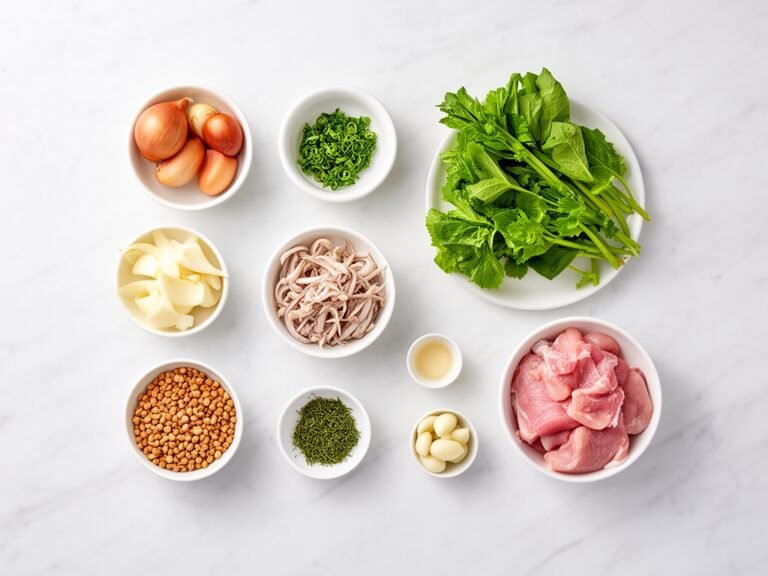
Selecting the right ingredients is key to achieving that signature fluffy, golden french toast everyone loves. Opt for sturdy bread like brioche or thick white slices a day or two old—they absorb the batter without falling apart, ensuring each piece holds its shape beautifully. Whole milk adds creaminess, while eggs provide structure and richness to the custard-like coating.
Fresh vanilla extract and a hint of cinnamon elevate the flavors, creating that comforting aroma as it cooks. Butter for frying gives an unbeatable nutty crispness on the outside. These choices work in harmony, balancing sweetness and savoriness for french toast that’s not overly soggy or dry.
Don’t overlook quality toppings like maple syrup or berries—they enhance without overpowering. With these thoughtful picks, your french toast will taste homemade and superior every time.
Batter Ingredients:
– 4 large eggs
– 1 cup whole milk
– 2 tablespoons granulated sugar
– 1 teaspoon vanilla extract
– 1/2 teaspoon ground cinnamon
– Pinch of salt
Bread and Cooking:
– 8 thick slices brioche or white bread (stale preferred)
– 3 tablespoons unsalted butter, divided
Toppings (Optional):
– Maple syrup
– Fresh strawberries, blueberries, or bananas, sliced
– Powdered sugar for dusting
– Whipped cream
Substitution Notes: Swap whole milk for half-and-half for extra richness, or use almond milk for a lighter option. If brioche isn’t available, Texas toast or challah works great. For sugar-free, omit granulated sugar and rely on toppings. Shopping Tips: Buy day-old bread from bakery sections to save money; it freezes well too. Fresh eggs ensure the batter binds perfectly.
Equipment Needed
A few essential tools make preparing french toast a breeze, ensuring even cooking and easy cleanup. A non-stick skillet or griddle distributes heat uniformly, preventing sticking and promoting that ideal golden crust. A shallow bowl for the batter allows quick dipping without mess.
Whisking tools blend the mixture smoothly, incorporating air for fluffiness. Tongs or a spatula flip slices effortlessly, keeping them intact. This setup streamlines the process, letting you focus on enjoying your french toast.
– Non-stick skillet or electric griddle
– Shallow baking dish or wide bowl for batter
– Whisk or fork
– Tongs or thin spatula
– Measuring cups and spoons
– Plates for serving and keeping warm
Prep Time & Cook Time
Prep Time: 10 minutes
Cook Time: 15 minutes
Total Time: 25 minutes
Servings: 4 (2 slices per person)
Difficulty: Easy
Timing is everything for perfect french toast—quick prep means more time savoring the results. Soak bread just long enough to saturate without sogginess, and cook over medium heat for even browning. This recipe’s efficiency makes it ideal for busy mornings, delivering hot french toast straight to the table.
Step-by-Step Instructions for Irresistible French Toast
Mastering french toast starts with a well-mixed batter that coats evenly, creating a custardy center with crisp edges. These steps guide you through every detail, from prep to plating, for foolproof results. Patience during soaking and cooking ensures each slice is golden perfection, infused with cinnamon warmth.
Take your time with each phase—rushing leads to uneven results. This method yields restaurant-worthy french toast that’s fluffy inside and crunchy outside, perfect for any occasion.
1. In a shallow baking dish or wide bowl, crack the 4 large eggs. Whisk vigorously for 30-45 seconds until frothy, incorporating air for a lighter batter. This step ensures the french toast has that signature fluffy texture without being dense.
2. Pour in 1 cup whole milk, 2 tablespoons granulated sugar, 1 teaspoon vanilla extract, 1/2 teaspoon ground cinnamon, and a pinch of salt. Whisk everything together for another full minute until smooth and slightly thickened. Taste the batter—it should be subtly sweet and spiced. Let it sit for 2 minutes to meld flavors.
3. Arrange your 8 thick bread slices on a wire rack or plate. If the bread is very fresh, lightly toast it first for 1-2 minutes to dry it out slightly. Stale bread absorbs the batter best, preventing sogginess in your french toast.
4. Heat a non-stick skillet or griddle over medium heat for 2-3 minutes. Add 1 tablespoon unsalted butter and swirl to coat evenly. The butter should foam gently but not brown—medium heat is crucial for even cooking without burning the french toast exterior.
5. Dip one bread slice into the batter, pressing down gently for 10-15 seconds per side. Ensure both sides are fully coated but let excess drip off for 5 seconds. This saturation creates the custardy core of perfect french toast.
6. Place the soaked slice in the hot skillet. Cook for 2-3 minutes until the bottom is deep golden brown, edges crisp. Bubbles may form on top— that’s a good sign the batter is setting. Avoid overcrowding the pan for even heat distribution.
7. Using tongs or a spatula, carefully flip the slice. Cook the second side for another 2-3 minutes until equally golden. Press lightly with the spatula to ensure even contact with the pan, enhancing crispness in your french toast.
8. Transfer the cooked slice to a warm plate or oven at 200°F to keep cozy while repeating with remaining bread. Add more butter (1/2 tablespoon per batch) as needed to maintain non-stick surface and rich flavor.
9. Repeat dipping and cooking process for all 8 slices, working in batches of 2-3 to avoid cooling the pan. Adjust heat slightly if browning too quickly—aim for consistent color across every piece of french toast.
10. Once all slices are cooked, dust with powdered sugar if desired. Stack on plates and serve immediately with maple syrup and fresh fruit. The heat locks in that fresh-from-the-griddle appeal.
11. For extra flair, while cooking, slice fruits and whip cream ahead. This stuffed french toast vibe comes alive with toppings piled high.
12. Clean the skillet immediately with hot soapy water to prevent batter residue from sticking for future uses.
Nutritional Information
This french toast recipe balances indulgence with nourishment, providing sustained energy from quality carbs and proteins. Eggs offer high-quality protein and essential vitamins like B12 and choline, supporting brain health and satiety throughout the morning.
Whole milk contributes calcium and vitamin D for strong bones, while cinnamon adds antioxidants that may aid blood sugar regulation. The bread provides complex carbs for fuel, making this a wholesome start without empty calories. Each serving delivers balanced macros for active days.
French toast shines in moderation—its natural sweetness from vanilla and minimal sugar keeps it from being overly processed. Paired with fruits, it boosts fiber and vitamins C and K for immunity.
Per Serving (2 slices, without toppings):
Calories: 320
Protein: 12g
Carbohydrates: 35g (including 5g fiber)
Fat: 14g (mostly from eggs and butter)
Sugar: 10g
Sodium: 280mg
Key Vitamins: Vitamin A (15% DV), Calcium (20% DV), Iron (10% DV)
Serving Suggestions & Variations
Elevate your french toast with seasonal berries in summer—strawberries and blueberries add juicy bursts and natural sweetness that complement the warm spices perfectly. Drizzle pure maple syrup for depth, or try a fruit compote simmered with lemon zest for brightness.
For autumn vibes, swap cinnamon up a notch and top with sautéed apples and a handful of chopped pecans. This creates a cozy, pie-like french toast experience that’s hearty yet light. Serve alongside scrambled eggs and yogurt for a full brunch spread.
Experiment with cooking methods: Bake slices on a sheet pan at 375°F for 10-12 minutes per side for crowd-sized batches—no flipping required. Or air-fry at 360°F for 5 minutes, spritzing oil for crispiness without excess butter.
Ingredient swaps keep it fresh—use challah for richer texture or add nutmeg to the batter for earthiness. These variations make french toast endlessly adaptable for holidays or weeknights.
Expert Tips & Tricks for Perfect French Toast
These pro tips, honed from years of recipe testing, ensure your french toast turns out flawless every time. Focus on bread quality and heat control for pro-level results that impress.
1. Choose slightly stale bread—its drier texture soaks up batter evenly, yielding french toast with a custardy middle and no mushiness. Fresh bread works but press it gently to avoid tearing.
2. Whisk batter until frothy; the air bubbles create lift, resulting in fluffier french toast. Let it rest 5 minutes post-mixing for flavors to bloom fully.
3. Maintain medium heat religiously—too high burns the outside before the inside sets, while low heat makes it greasy. Test with a drop of batter; it should sizzle steadily.
4. Soak bread 15-20 seconds per side max. Over-soaking leads to soggy french toast; under-soaking leaves dry spots. Let excess drip to preserve crisp edges.
5. Use unsalted butter for frying—it browns beautifully without salting the batter excessively. Clarify it first by melting and skimming foam for even higher smoke point.
6. Keep cooked slices warm in a 200°F oven on a wire rack. This prevents steaming and sogginess, maintaining that fresh french toast crunch.
7. Enhance with a flour addition (1 tablespoon per cup milk) for thicker batter that clings better, producing extra fluffy french toast interiors.
8. Freshly grate nutmeg into the mix for subtle warmth that elevates basic french toast to gourmet status without overpowering.
9. Double-dip thin slices for stuffed french toast effect—spread with cream cheese between two pieces before battering.
10. Dust with cinnamon sugar right after cooking for a caramelized crust that takes french toast over the top.
Common Mistakes to Avoid
Overcrowding the pan traps steam, leading to limp french toast instead of crisp slices. Solution: Cook in small batches, giving each piece space to sear properly. Medium heat helps too—aim for steady bubbling.
Using fresh, soft bread causes it to disintegrate in the batter, resulting in mushy french toast. Opt for day-old or lightly toasted slices; they hold structure and absorb flavors evenly without falling apart.
Skipping the rest time for batter means uneven seasoning, yielding bland french toast. Whisk thoroughly and let sit 5 minutes— this allows cinnamon and vanilla to infuse fully.
Flipping too early tears the delicate crust, ruining the golden exterior of your french toast. Wait for edges to set and bottom to brown deeply, about 2-3 minutes, before gently turning with tongs.
Neglecting to wipe the pan between batches builds up burnt bits, imparting off-flavors to subsequent french toast. Quickly rinse and re-butter for clean starts each time.
Serving cold diminishes texture—french toast firms up unpleasantly. Plate immediately or oven-warm at low heat to preserve fluffiness and warmth.
Over-sweetening the batter overpowers natural flavors, making french toast cloying. Stick to measured sugar; let toppings provide extra sweetness as needed.
Storage & Reheating Instructions
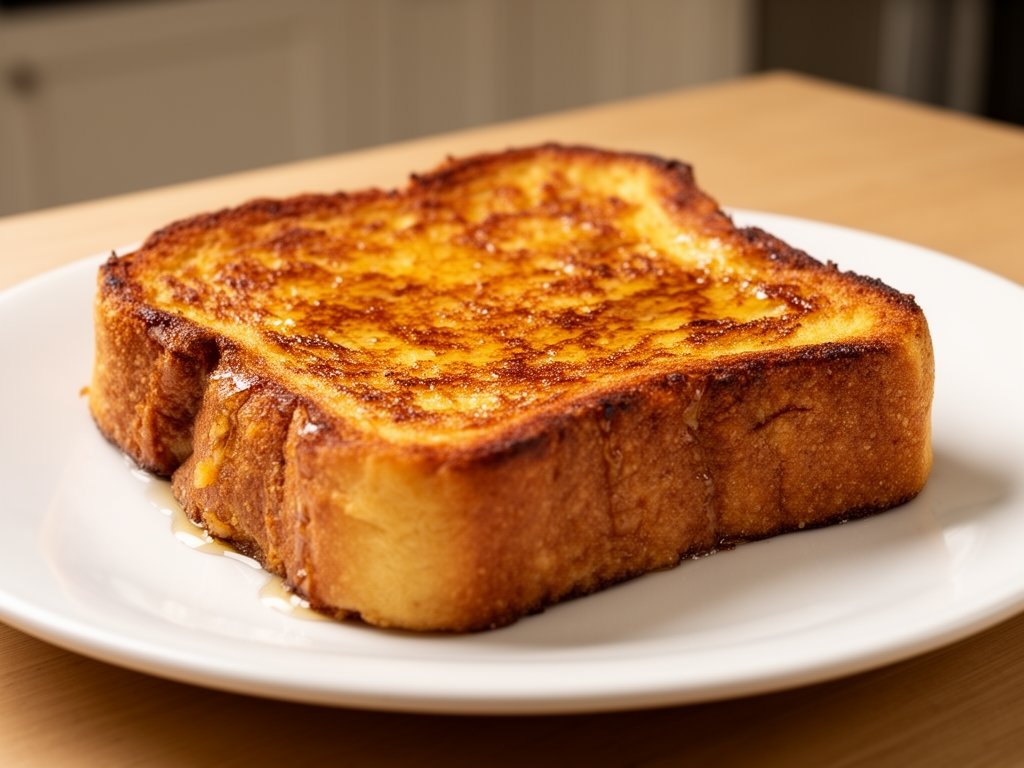
Store leftover french toast in an airtight container in the fridge for up to 3 days. Layer slices with parchment paper to prevent sticking, maintaining that fresh texture. Cool completely before storing to avoid condensation sogginess.
For longer storage, freeze cooked french toast in a single layer on a baking sheet until solid, then transfer to freezer bags for up to 2 months. Label with dates for easy tracking—perfect for meal prep.
Reheat in a toaster oven or skillet over medium-low for 2-3 minutes per side, adding a pat of butter for revived crispness. Microwave works in a pinch (30-45 seconds per slice) but may soften it slightly; crisp in a dry pan after.
Food safety first: Reheat to 165°F internal temp, and discard if it smells off or shows mold. These methods keep french toast tasting nearly as good as fresh.
Conclusion
This french toast recipe is a game-changer—simple ingredients, minimal effort, and maximum flavor that brings smiles every time. Its custardy perfection and versatility make it a staple worth mastering for joyful mornings.
Try it this weekend and see why french toast reigns supreme. Share your twists in the comments—what’s your favorite topping?
FAQs
Can I make french toast ahead of time?
Yes, prepare the batter up to 24 hours in advance and refrigerate it covered. Slice bread and store separately. Soak and cook fresh for best texture—this stuffed french toast style keeps flavors vibrant without sogginess.
What bread is best for french toast?
Thick brioche, challah, or Texas toast absorbs batter ideally, creating fluffy french toast with crisp edges. Avoid super thin slices; they dry out quickly. Day-old is prime for optimal soak without mush.
How do I prevent soggy french toast?
Use stale bread, soak briefly (15 seconds per side), and cook on medium heat to evaporate excess moisture. Let drip fully before frying— this ensures golden, non-soggy french toast every batch.
Can I bake french toast instead of frying?
Absolutely— preheat oven to 375°F, place soaked slices on a parchment-lined sheet, and bake 10-12 minutes per side, flipping halfway. Brush with butter for crispness; great for large groups without pan-splatter.
What’s a good dairy-free substitute for milk in french toast?
Coconut or oat milk works seamlessly, maintaining creaminess. Full-fat versions mimic whole milk best. Blend well to emulsify—the result is still deliciously custardy french toast.
How long does french toast last in the fridge?
Up to 3 days in an airtight container. Reheat gently to restore texture. For peak flavor, enjoy within 24 hours, as the batter’s moisture can soften slices over time.
Can I add fruit inside my french toast?
Yes, layer banana slices or berries between two dipped pieces before cooking for stuffed french toast. Cook seam-side down first to seal—adds natural sweetness and fun texture.
Is it okay to use frozen bread for french toast?
Thaw completely first, then pat dry. It acts like stale bread, soaking up batter perfectly for excellent french toast. Avoid direct-from-freezer dipping to prevent icy spots.
How do I scale this french toast recipe for a crowd?
Double or triple the batter and bread; cook in batches or bake on sheet pans. Prep batter ahead—feeds 8 easily with the same golden results.
Why is my french toast not browning evenly?
Pan too cold or overcrowded—heat to medium and space slices. Fresh butter per batch helps too. Patience yields that perfect french toast caramelization.